My astrophotography hobby has been an interesting stair-step ride to more and more capability and automation (and dollars). I have reached a plateau that should hold me for a while.
First, I took pictures of the Andromeda galaxy with my DSLR, a 70-300mm kit lens, and a fixed tripod.
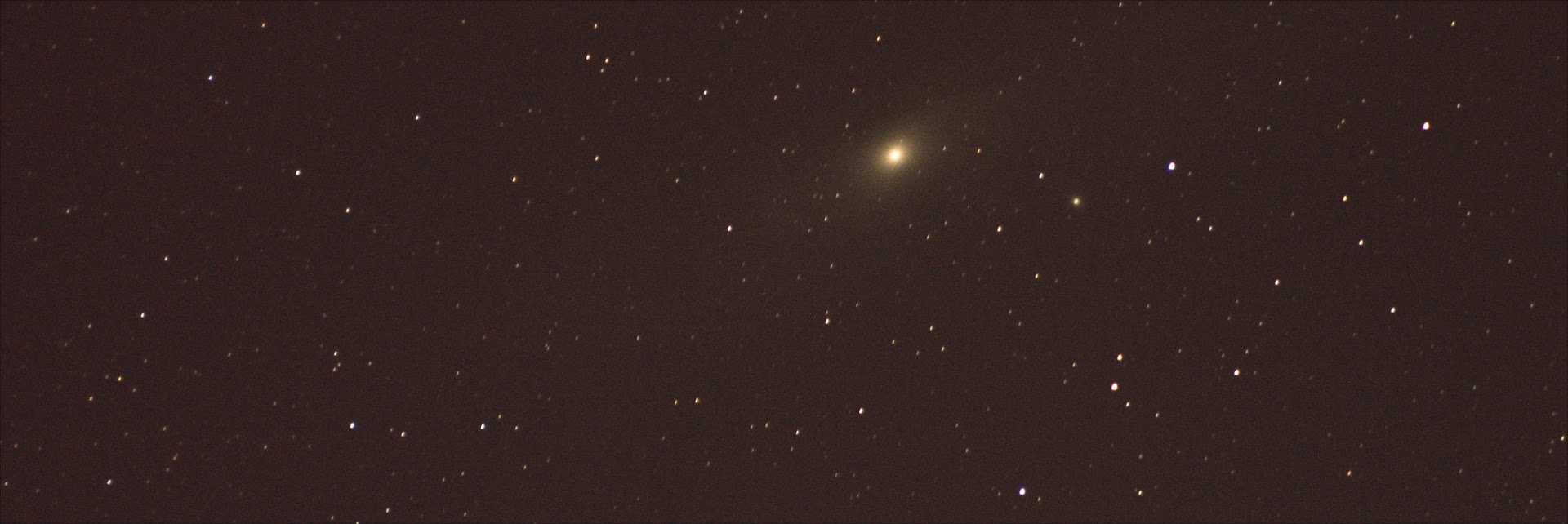
There are certainly pictures done better with similar equipment, but this one is mine.
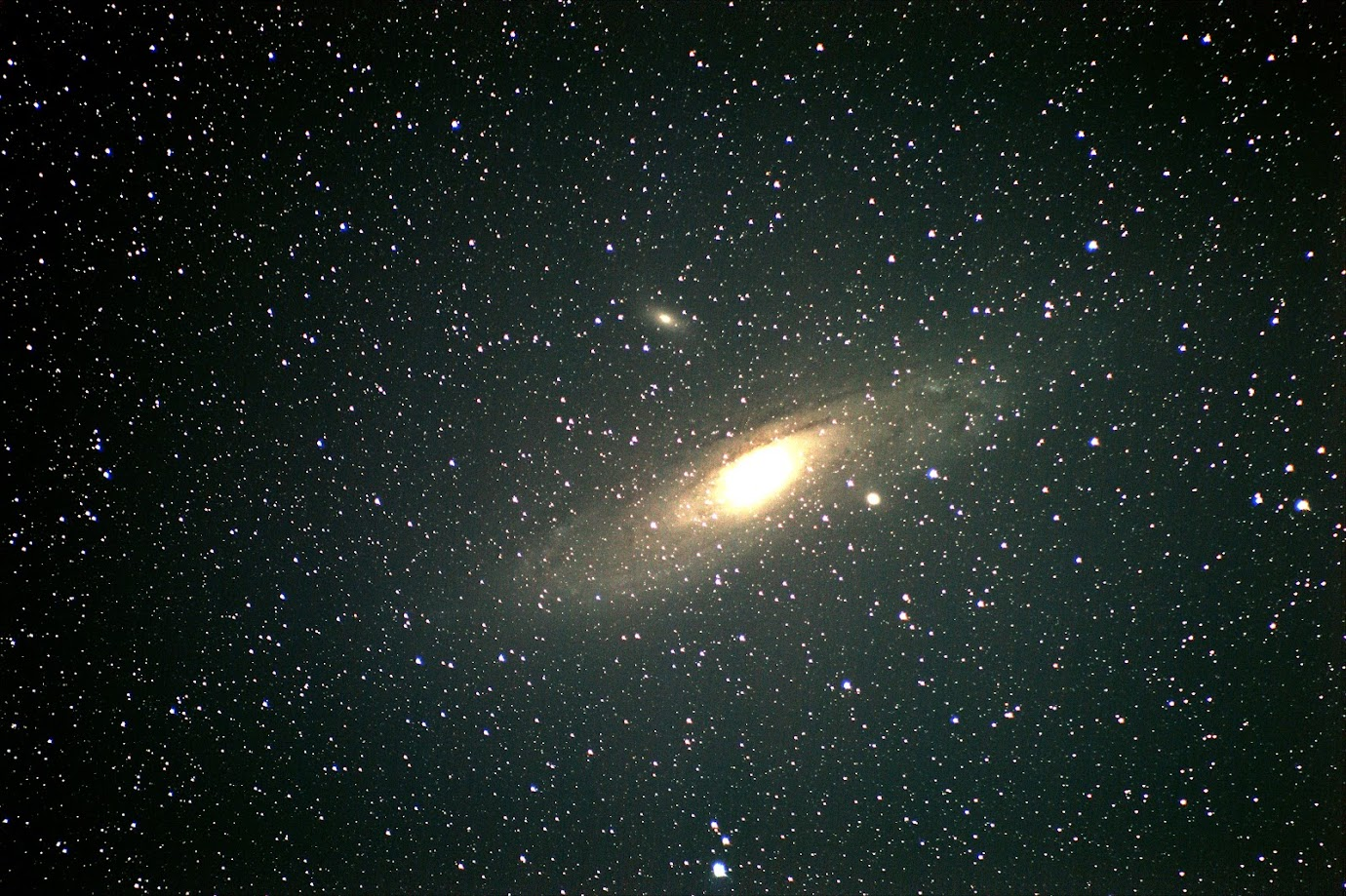
The first major upgrade was an iOptron Sky Guider Pro and ball head. For the next year or so, I worked with this setup and it worked pretty well. Looking back, it seems I was maybe a little obsessed with Andromeda. Here is one captured with that rig, stacked with Deep Sky Stacker and post processed with GIMP.
Another year or so and I painfully bit the bullet and got a real telescope, a William Optics Redcat 51. It was about $850. While it was really hard to get me to click go on that, I have been very happy I did. It is a great scope.
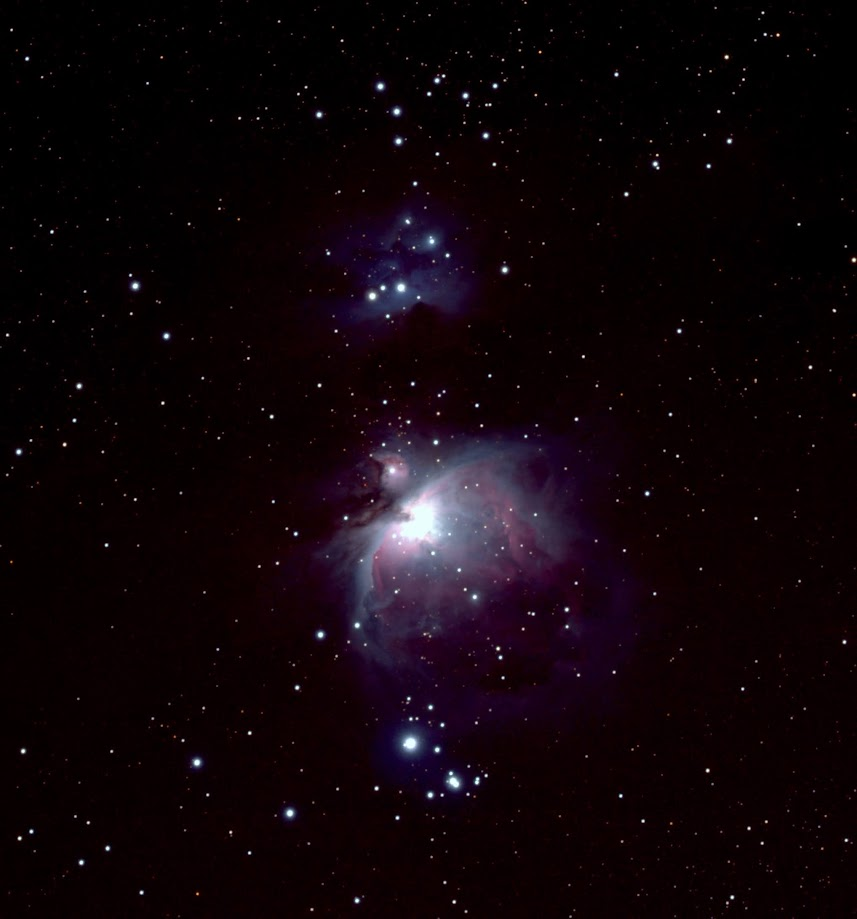
With it and the DSLR, still using DSS and GIMP, I got really decent captures of the Orion nebula and a couple of others.
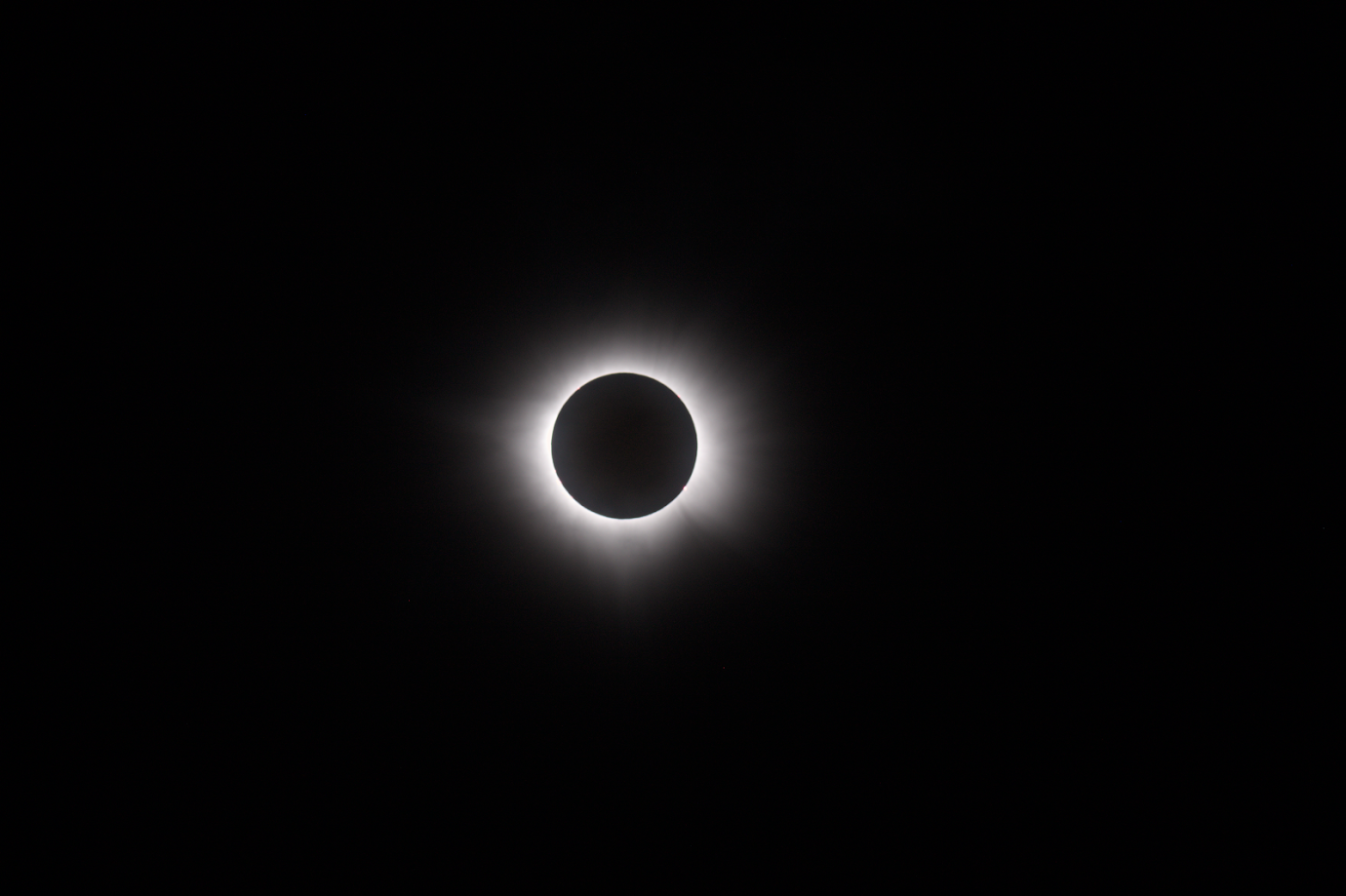
I also used it to get the April 2024 total eclipse.
Orion and Pleiades were captured with the assistance of a laptop running BackyardEOS. This had it’s pros and cons. The biggest issue was the kinda kludgy way that I had to run it.
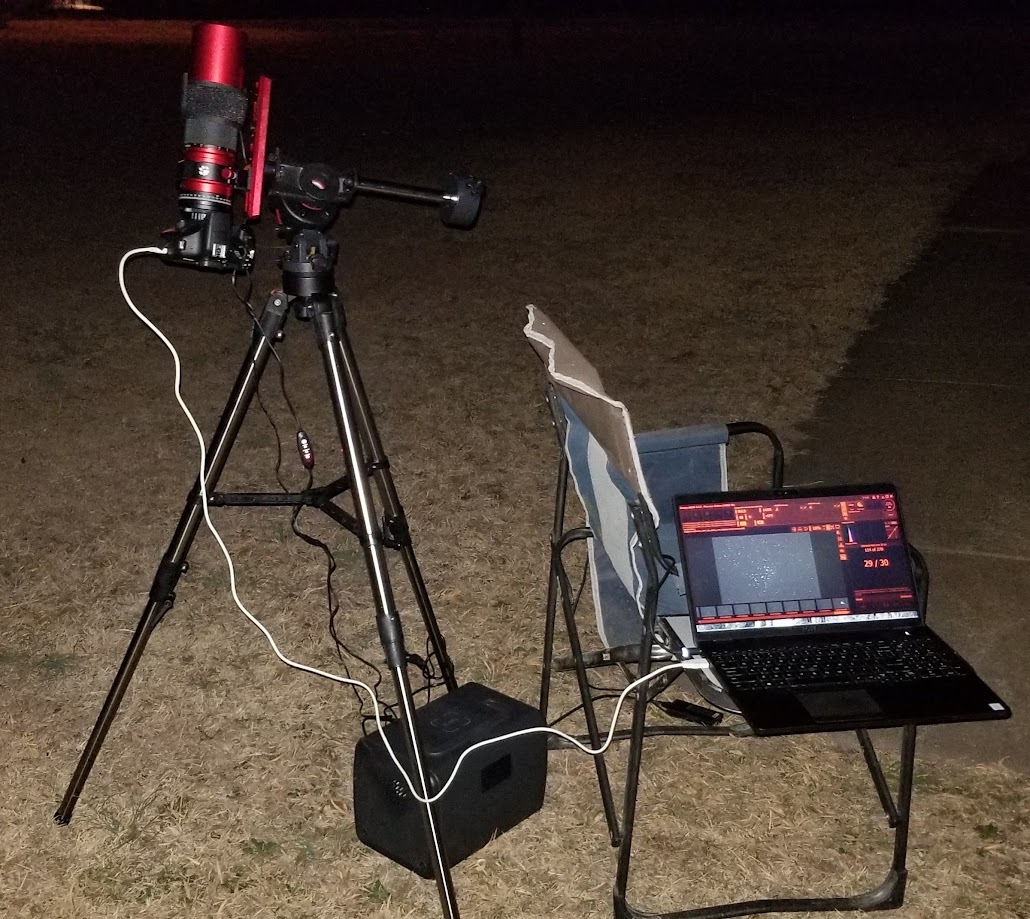
This is literally during the Pleiades capture shown above. I dragged out another camp chair to sit in facing the laptop. There was the USB between the camera and laptop and power for the camera and dew shied heater. This convinced me to pucker up again and get an ASIAir, though it would be summer before I pulled the trigger on it.
Life intervened. Lost my job of 21 years and my car engine blew up. I was unemployed for 5 months, then once reasonably sure they were keeping me, I put a new engine in the car. Ironically, I would only attempt a couple of captures with it and for reasons unrelated to the ASIAir, they were iffy captures. One was almost all subs with a foggy lens because I just forgot to turn on the dew shield heater. I forget the others.
But it had been long enough now to consider upgrading something and what made the most sense was to get a dedicated astronomy camera. I chose the ASI585MC Air. This unit has a cooled main camera, a built in ASI220 guide camera and an ASIAir controller. As much as I love this camera, it was quite a butt pucker to place that order. The camera, even with an open box discount, was $900.
A mere couple of weeks later, I elected to get an autofocuser appropriate for my Redcat 51, which is the first generation with helical focus. Now that it is in place, I think I prefer it to the rack focuser, as least as far a compact package goes.
With this rig, I revisited Andromeda, but between light polution and just electing for a less than ideal amount of exposure time, it wasn’t a good capture.
I had long disliked the adapter that connected the telescope to the declination arm of the Sky Guider Pro. It is a solid steel piece, nicely machined, but its basically a twist and set the locking screw kinda thing and it makes it very difficult to do final framing. I decided to build up a solution for that. Sadly, it was never tested.
Once again, the equipment bug bit me and I pulled the trigger on a Skywatch Sky Adventurer GTi, a mount with go-to capability, and a couple of dual narrow band filters.
So the rig as it sits now has auto focus, autoguiding, a mount that can get me to a target and a controller to run it all and automate capturing subs. That is a long way from that stationary DSLR pointing at Andromeda.
I made the mistake 🙂 of adding up the major items. I am not counting various cables, cable management, and certainly not counting my Bluetti power box. Even so, including the original DSLR that predated the hobby by five years, I have spent a total of just under $4800. That is the entire journey, though, and many of those things are not part of the current rig anymore. That was, itself, $3100. Sadly, $2300 of that was purchased over a 30 day period this year. Ouch.
The first astro specific item was the SkyGuider, in June 2022. If we divide it out to the last purchase, it’s only $3.13 per day. Plus, I do still have the DSLR and SkyGuider. I might set up both and do a comparison capture. Actually, that sounds like fun.
Next post, I will go into some details about the new workflow.