Great Range, Fun Stages, Atrocious Scores

Lone Star Gun Gallery & Gear is a *very* nice range. All shiny and new, well lit, well ventilated. The distances are substantially longer and most stages took advantage of that.

The stages were fun; lots of movement. Stage two had a swinger initiated by the shooter at the buzzer. It emulated flushing the toilet :). Stage five had three targets. The shooter had to engage in tactical priority on the advance, completing two in each target by the time you crossed a line, then cross back and place two more in each target on the retreat.

It was fun, but it was not my night to score. I had two primary failure modes. Most *often*, I missed long distance targets, but couldn’t tell with my split contact lens prescription. This makes it hard to even guess whether I need to make up shots.

The other failure was copious procedurals. Some of those long range misses were also hits on non-threat, which is a 5 second penalty. At least they don’t accumulate per target.

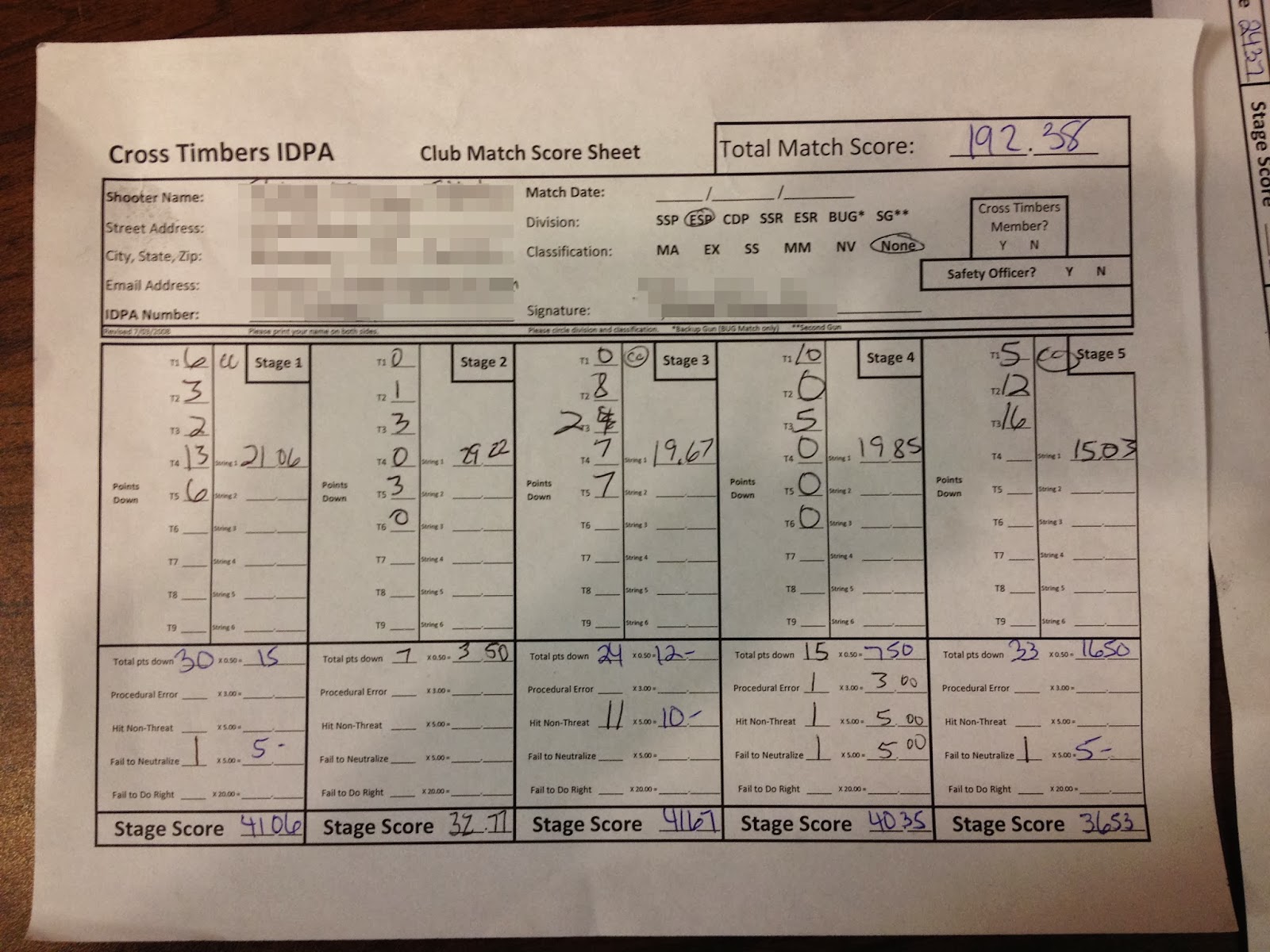
The prize for the silliest miss was on stage 4. I completely missed engaging a target. So one target assess 13 seconds of penalties: down 10 (5 seconds) for two misses, 3 seconds for failure to engage procedural and 5 seconds for failure to neutralize. The raw time on the stage was only 19.85 seconds.

In short, 4 out of 5 stages had penalties essentially equal to or exceeding the raw time.

It was fun shooting full power 10mm, but I presume it was at least a factor in some of my misses, especially the long distance ones. I couldn’t see well enough to tell if I missed and needed to do makeup shots and just controlling recoil is a thing with that much power. I distinctly remember at least one bad pull down, anticipating the boom. If I remember one, I’d bet there were others I didn’t catch. I have plenty of much more sane 10mm handloads and until I solve a lot of the other problems, it’s probably best not to stack the deck against myself with hot loads.

In happy news, I had no ammo issues. It did look a little like the pistol failed to go into battery once. The SO and I checked it out pretty carefully. Then and always, it operated correctly. Just the way the slide fits the frame.

Big Boom and DQ

Fourth IDPA match tonight…

My new Glock 20 barrel worked pretty well. Full power 10mm is fun to shoot. I also enjoyed hearing someone comment about their ears bleeding while I was shooting Stage two :).

I did have a feed jam on the third stage, but since my off hand thumb got bitten by the slide on the previous stage, it may have been a poor grip. Doesn’t seem terribly likely, but I suppose there is a chance. This drawing and moving while shooting thing is pretty new to me. It possible my brain is letting that fundamental slide while it struggles with all the new stuff. In any case, that’s one of several elements I need to run drills on.

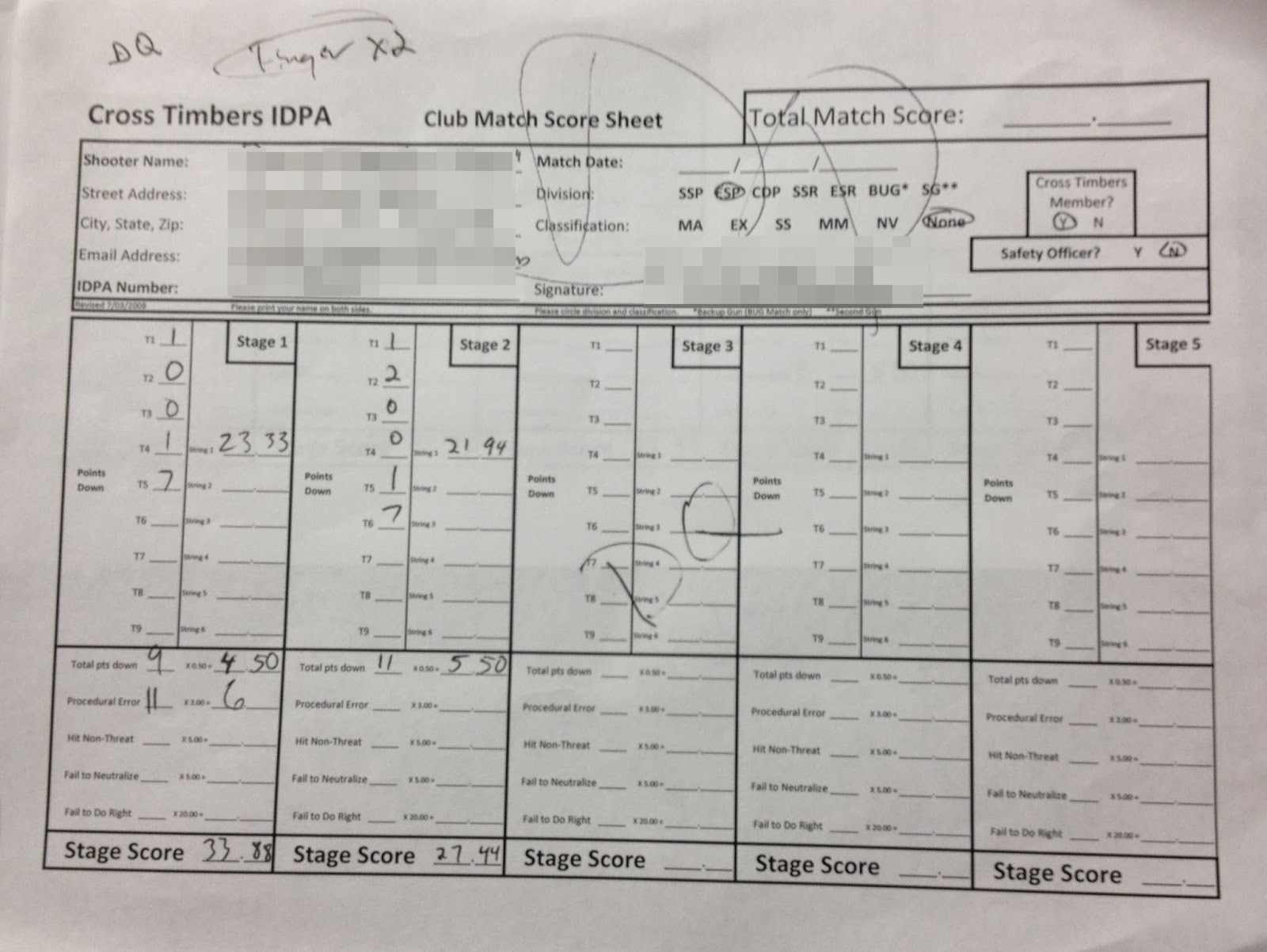
One of the elements is keeping my finger out of the trigger guard when I’m moving. That happened twice tonight and the second earned me a DQ.

Stage three was the first time I would have gotten to shoot at a swinger target and in fact, I did get a shot or two off at it. For this stage, you begin with 4 shots to a target then step forward to retrieve an injured victim, played by a large gear bag loaded with a sack of concrete mix. This victim needs to be pulled into the cover area. Moving the bag triggers the swinger, which needs two hits taken while retreating and dragging the bag. I got two shots at the first target when I had a round jam. It took a couple of slide racks to clear it. I finished the rounds at the target. It then took two or three grabs to get the handle of the bag and I think it was at this point that my trigger finger probably relaxed and curled into the trigger guard while I was struggling with the bag. I tripped the swinger and started shooting, but somebody hollared stop and I froze.

There was some discussion amongst the SOs about whether calling stop was appropriate, but in either case, I was still disqualified and done shooting for the night. While I don’t have specific memory of either of them, that is really why there is so little tolerance for it. Keeping the finger clear of the trigger while not engaged with a target is very basic firearm safety. You are millimeters from a situation where the *BEST* thing that can happen is an unexpected discharge into the berm and the worst is manslaughter. It is not to be triffled with.

I geared down and put away my pistol, but I stayed to help with the rest of the match. I got a several pep talks and several tips suggesting drills to help train that trigger thing out, stuff like “dry shoot, finger out, move to the right, dry shoot, finger out, move to the left, rinse repeat”. I will probably do these drills with the airsoft pistol.

There is another match tomorrow night, at the Weatherford range, where I have not yet been. I plan to be there to complete a match with the boomer.

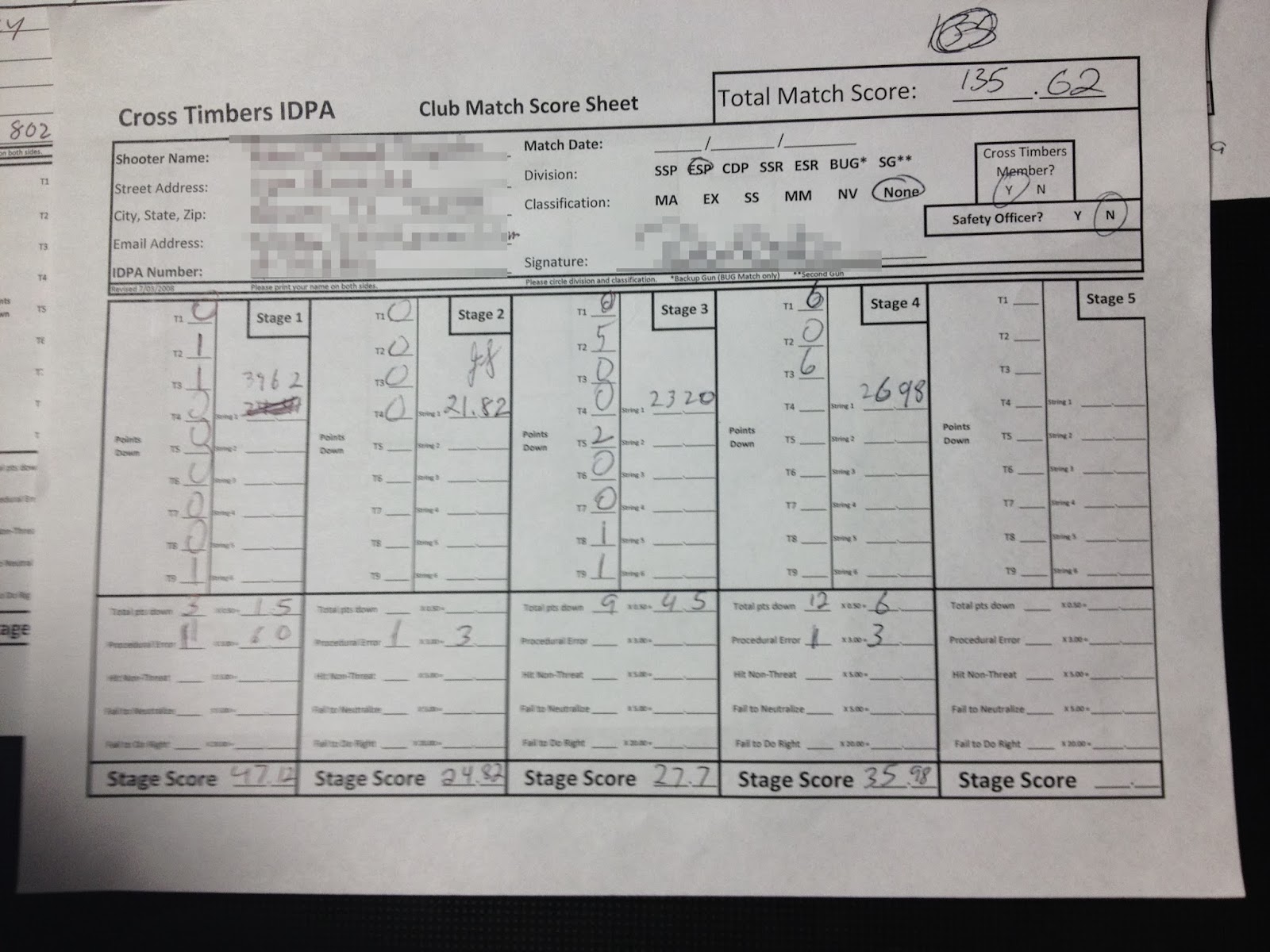
My incomplete score sheet still needs analysis….

Stage 1, T5, was actually the first target I shot. This was two 1’s and a miss. Im not sure how I did the miss. One procedural was for shooting two targets out of order. They should have been right to left from behind cover, but I took the left one first, perhaps because it was closer. The other procedural was my first trigger call. There were three fairly major movements and I’m not sure exactly where I violated it.

Stage two was cool. Three shots each in two targets from behind cover, then move to the other end of the barrier and place three shots in each of two more targets, then move into a center room and place two on each of two targets while moving. It was on my first target that I got my left thumb under the slide. I remember noticing it and correcting my grip. Finished the stage and only when I was reloading magazines did I notice a bit of blood. I suspect the miss on scored T6 was really that first target with the slide hit.

Except for the two misses, either of which could have been made up had I noticed them at the time, I shot reasonably well. Then, of course, the DQ…

… And then there were heroes three…

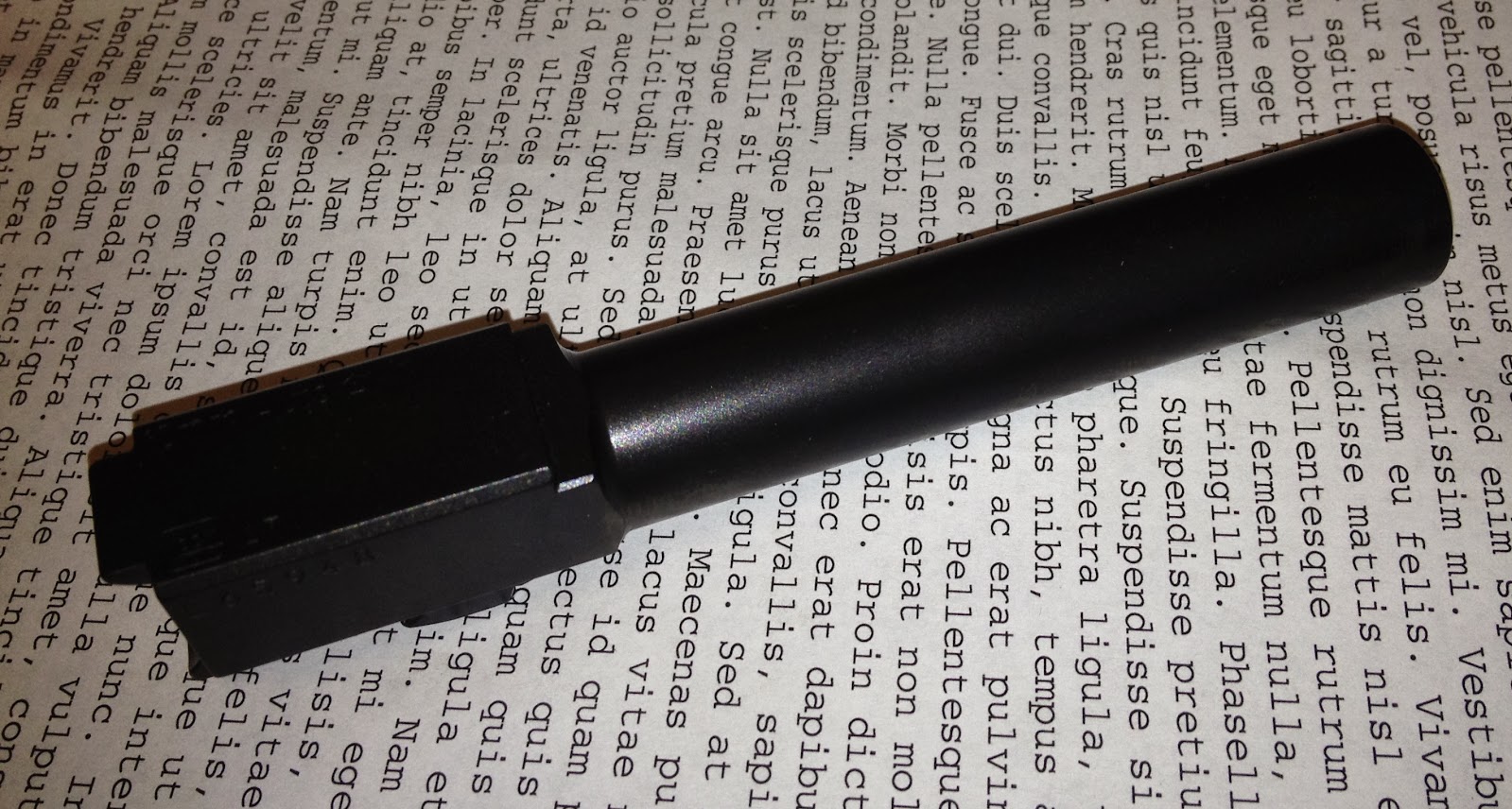
To round out my shooting options on the Glock 20C, I ordered a stock 10mm non-compensated barrel. It arrived today. That gives me compensated 10mm, non-compensated 10mm and non-compensated 40S&W, all from the same pistol.


I also received an extended magazine release. I found that I struggled a little with the mag release during reloads. Hopefully, this addresses that and maybe I’m done customizing the Glock for a while.

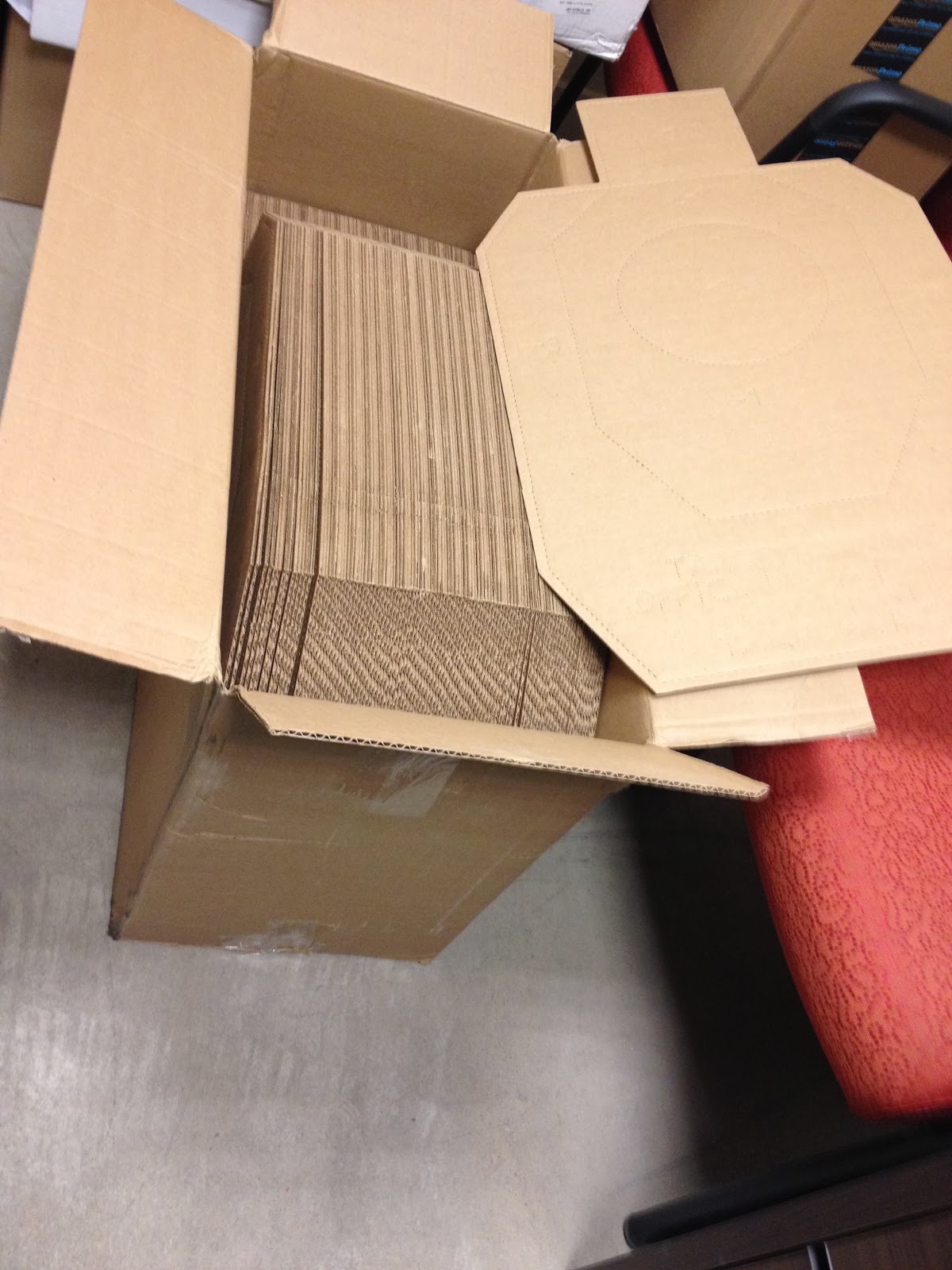
I also got my target paster tapes and a spiffy nylon case for carrying the IDPA targets. For my home range purposes, I need to make a couple or three bases to attach them to. I don’t suppose they really need to be a durable as the ones the club has, so 2×4 construction should be fine and pretty cheap, too.

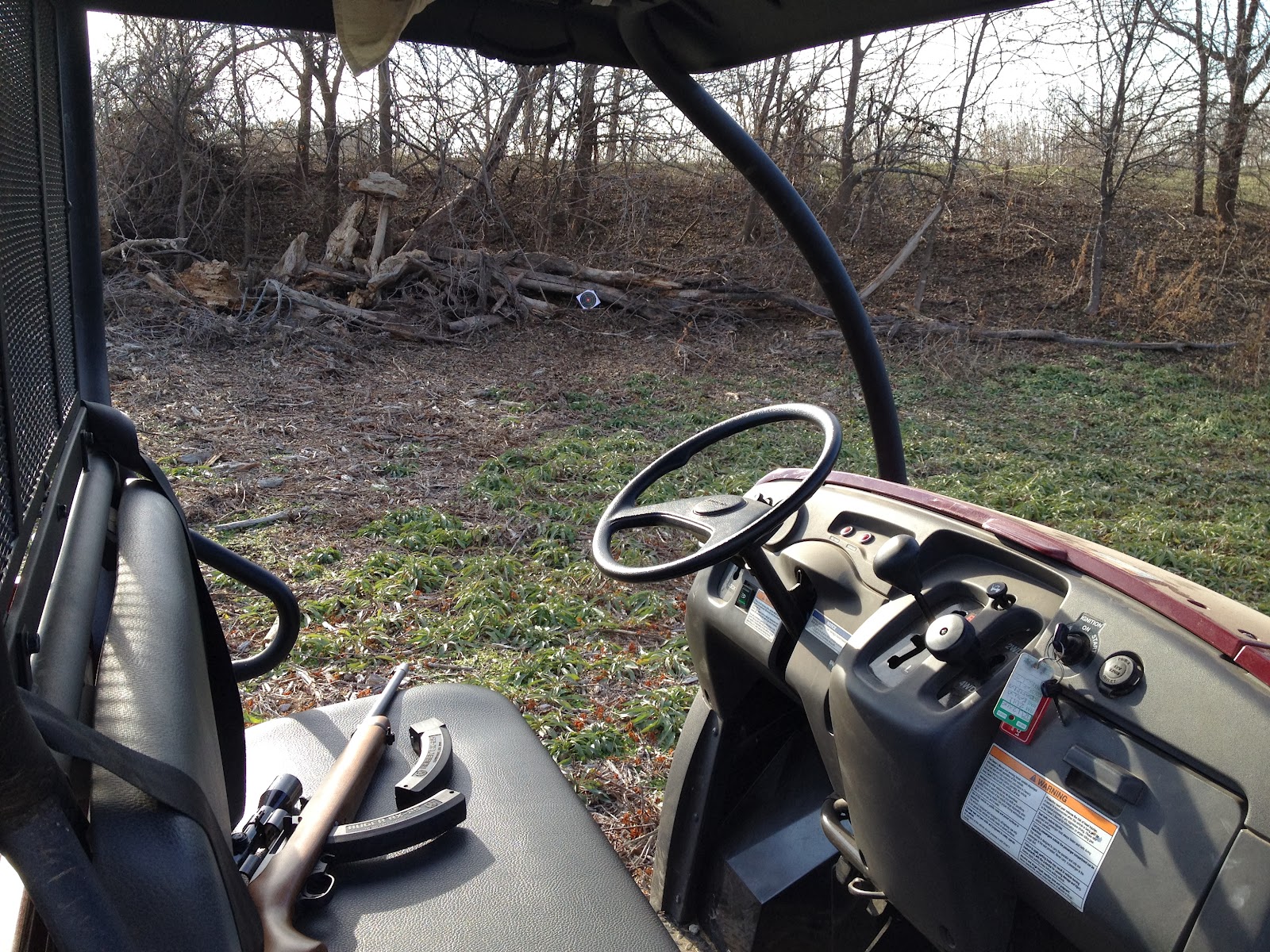
There is a spot on the east side of my pond where there is a dam that makes a pretty decent backstop for casual plinking.

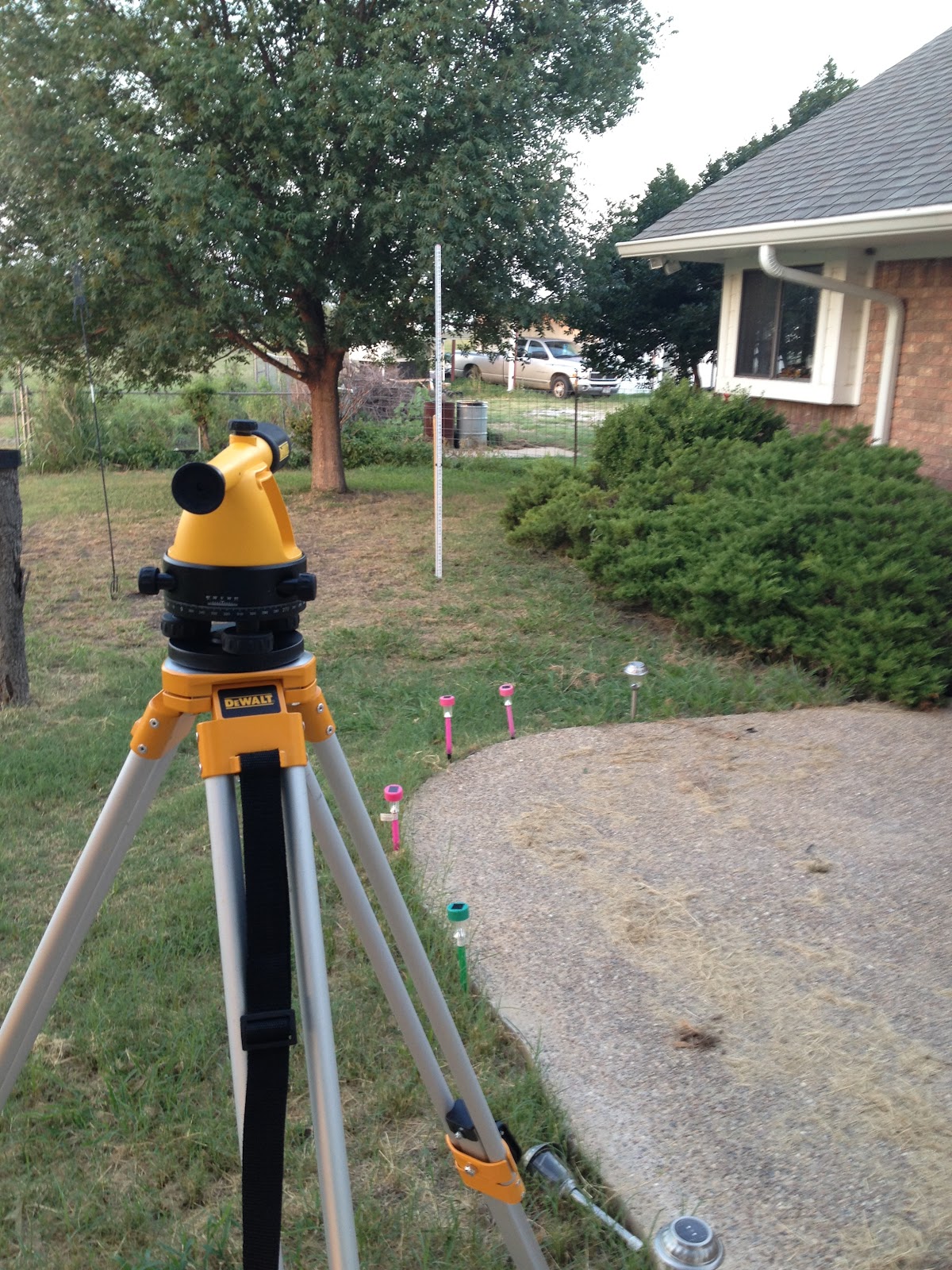
Since IDPA targets are typically configured to approximate the height of a person, I need to measure the height of the dam to see if there is enough safety margin for shooting at taller targets. Luckily, I have the technology.

At some point, I’d like to put a load of road bed out there to make a nice level (or near level, with drainage) spot for shooting and recovering fired brass, but winter and spring rains can be pretty floody back there…


IDPA Thursday Night

I shot generally better tonight. Still lots of room for improvement, but I didn’t choke anywhere, even with *two* squib reshoots…

I have counted it up as 60 shots in the match, though that does not account for makeup shots. I had three misses and seven down 1’s. I believe the key was consciously shooting slower.

The procedurals on Stage 1 were a stop in the open while engaged and a break cover, Stage 2, it  was breaking tactical sequence, and on Stage 4, it was another cover break.

The biggest problem was two different squibs on Stage 1. The first time through, I did fairly well, shooting methodically, then the squib was on either the last target or next to last. Time at that point was 24.4x seconds. It appears to have been a cartridge with no powder. The bullet was barely into the rifling. I loaded up tried again. ANOTHER SQUIB! Much earlier in the course of fire. This time, it cleared the barrel, better safe than exploded. So, having learned my lesson, I shot the rest of the match with factory ammo, which I was pleased to have brought with me. When I finally got to finish Stage 1, my raw time was 39.62.

Several good pieces of advice were received tonight. One I knew about, but was still doing wrong is positioning behind cover. In my first match, I got right up on the cover, which makes it tough to move around. Tonight, I tried to make sure I was an arms length behind the cover, particularly on Stage 4 with two Bianchi barriers, but I failed to account for leaning forward in stance, so I still had to step back and lift the muzzle to clear the barrier. Lift too high and it’s a safety issue. And I’m going to keep breaking from cover with my feet until I do it enough that my stance narrows. I just take a big step, set my weight and, oops, too wide….

In the submitted scores, I was last for ESP division, 3rd from last overall. I think a better indicator of my progress will be the spread to the next better score. In ESP, the next higher score was a full 30 seconds better, but interestingly enough, that shooters penalties were similar. His raw time was 30 seconds better.

If it fits, it shoots…

After the Christmas shipping angst in the news, I suppose I should be happy it made it at all…

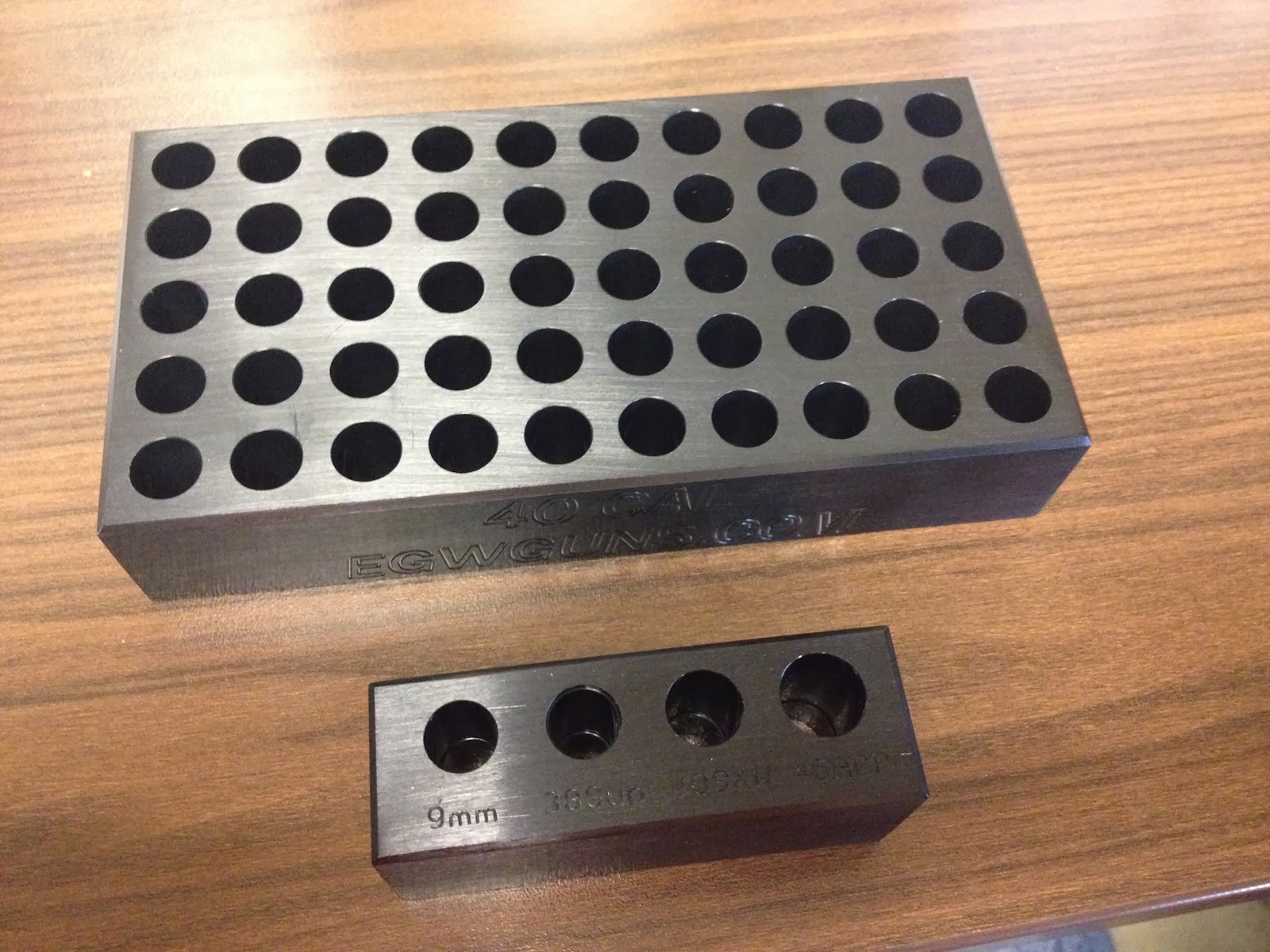
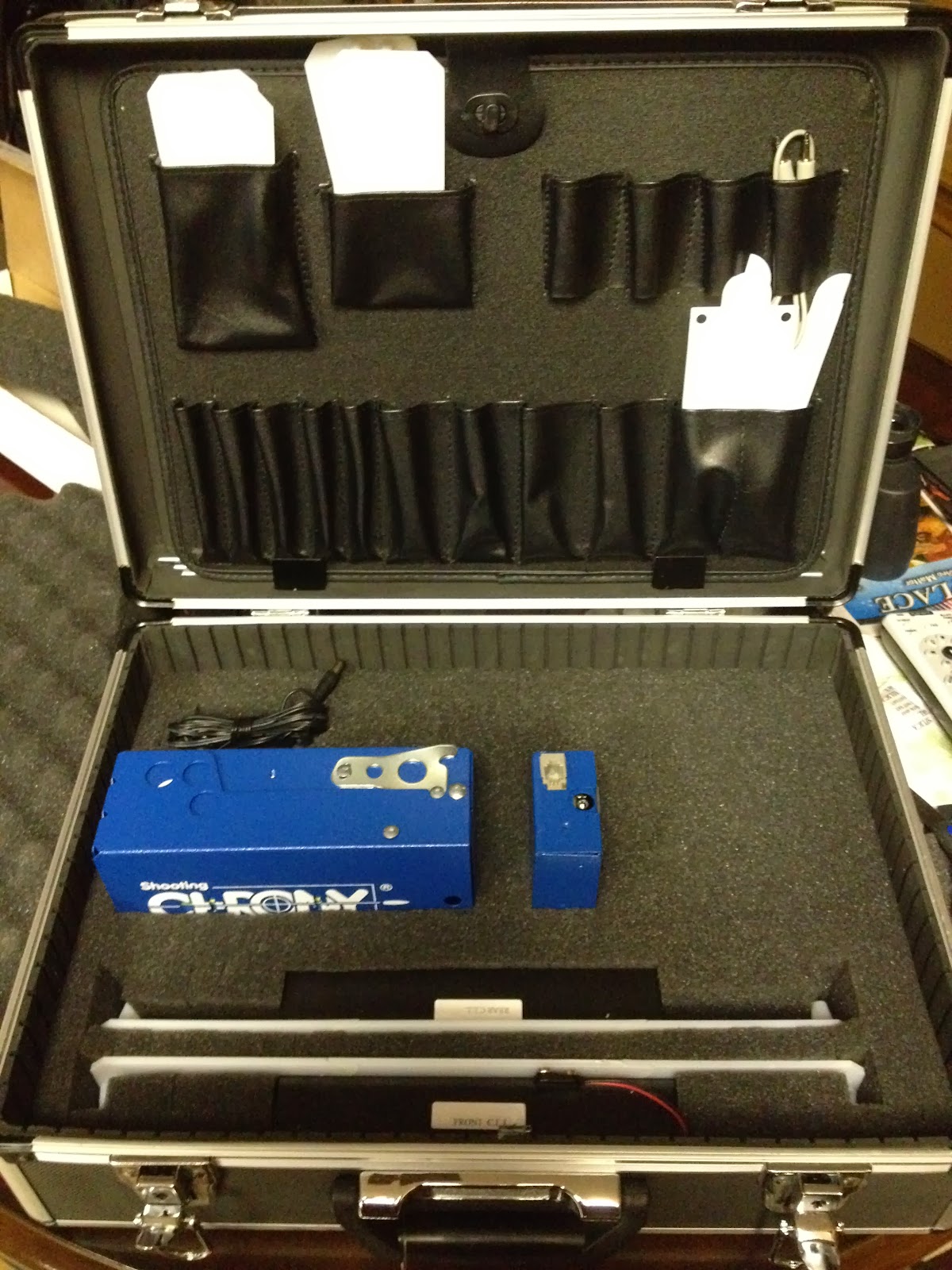
These are chamber checkers from Evolution Gun Works. They are blocks of high grade aluminum with holes drilled and trimmed with actual chamber reamers. A loaded cartridge that drops in and fits flush should chamber.

The smaller block has one each 9MM, 38 Special, 40 S&W and 45 ACP. The larger one is for checking a whole box of 40 S&W.

The work I did yesterday would not really have gained much with these, except it might have been easier to check all 50 in a box instead of spot checking 10% of them. What this thing will prevent is another future mass recrimping 🙂

Interestingly enough, Evolution Gun Works’ website is down as I write this… The 50 block is available in several common sizes and runs $99 each. The smaller one was $20.

Tea and Crimpets

… except no tea…

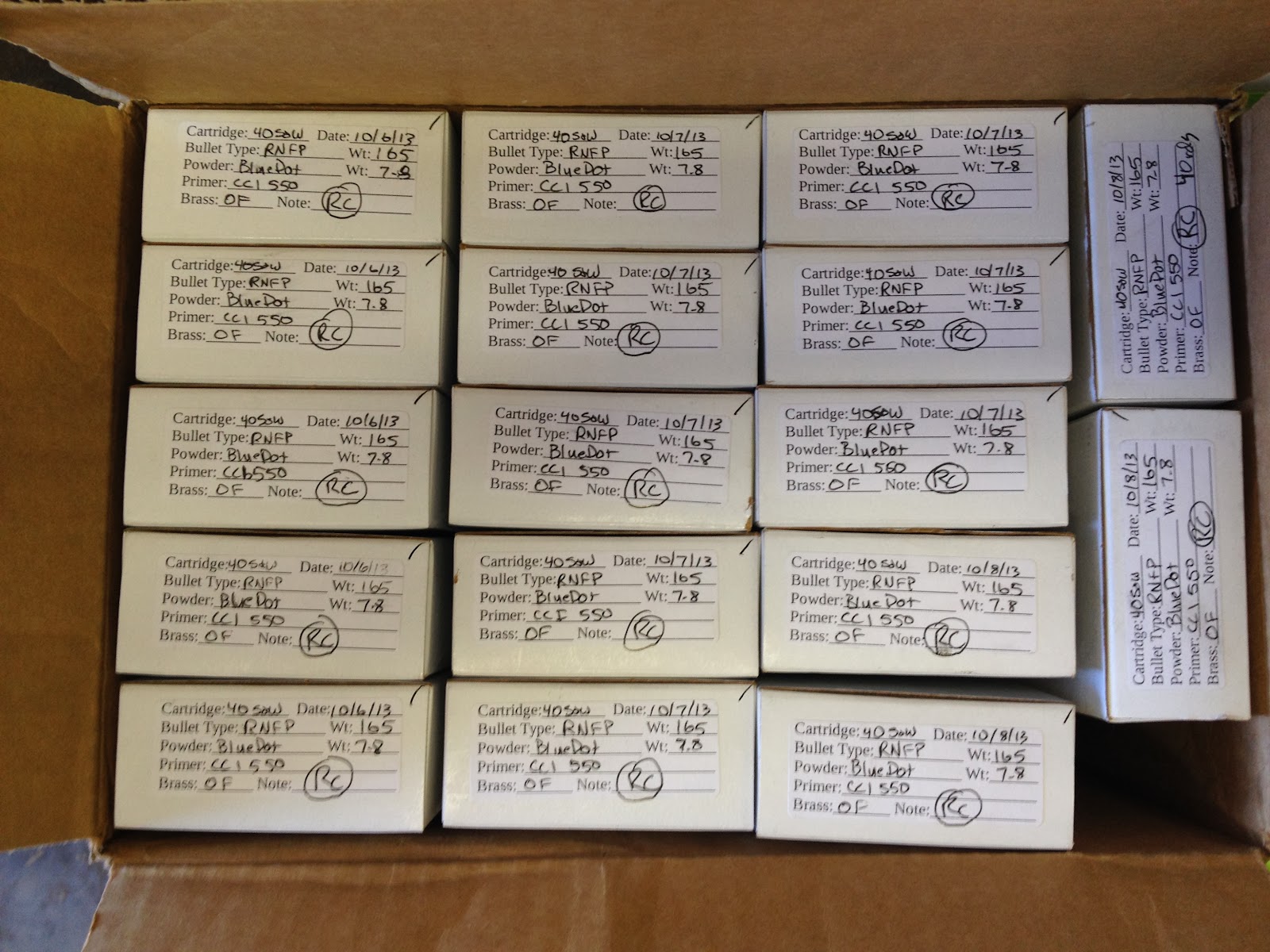
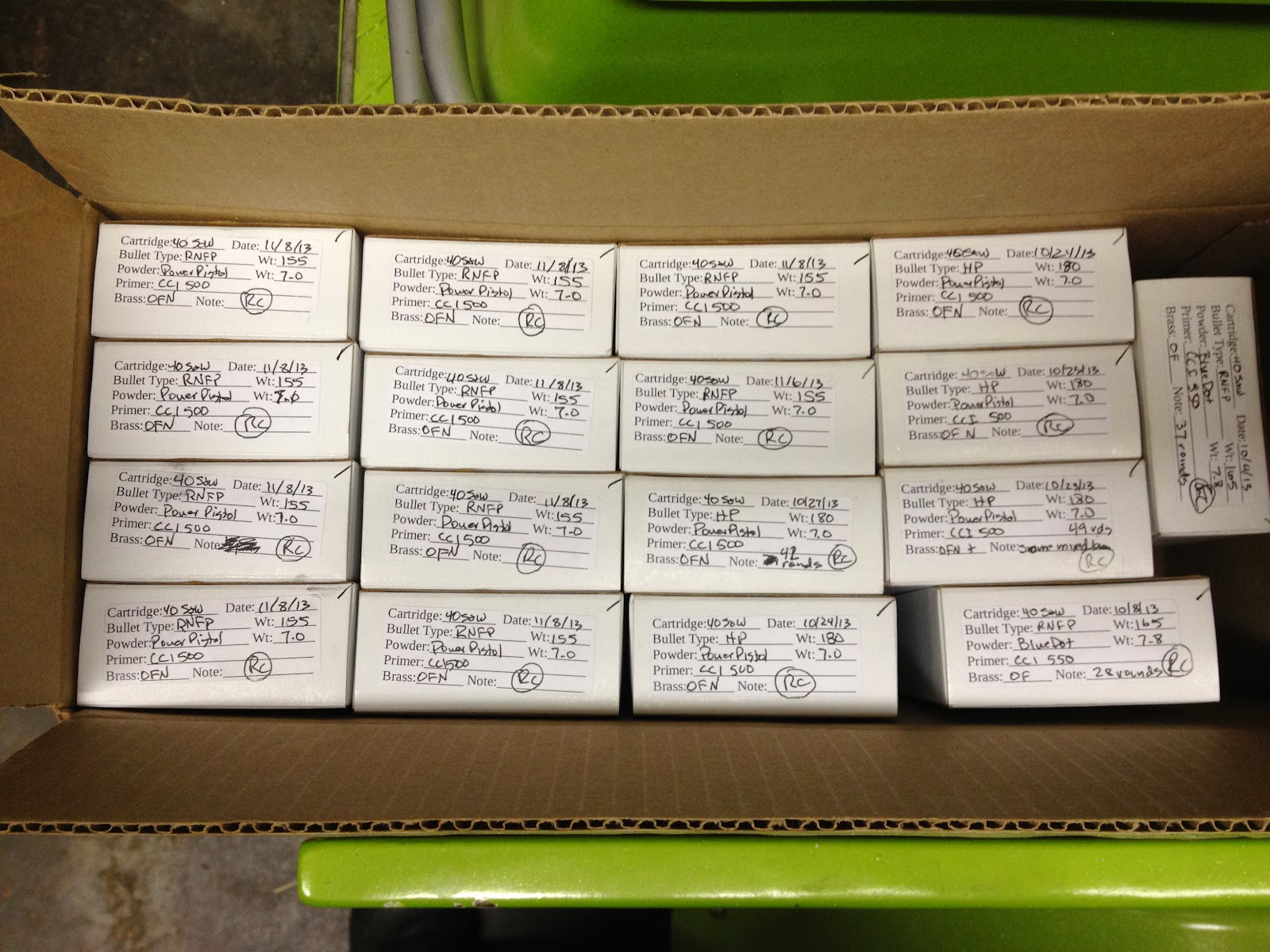
You may recall that I had a quality control issue with a couple of batches of 40 S&W. They were not crimped properly, so they appeared to be oversize and would not go battery. I purposefully did not purchase the single shot version of the Glock, but now I had one 🙂

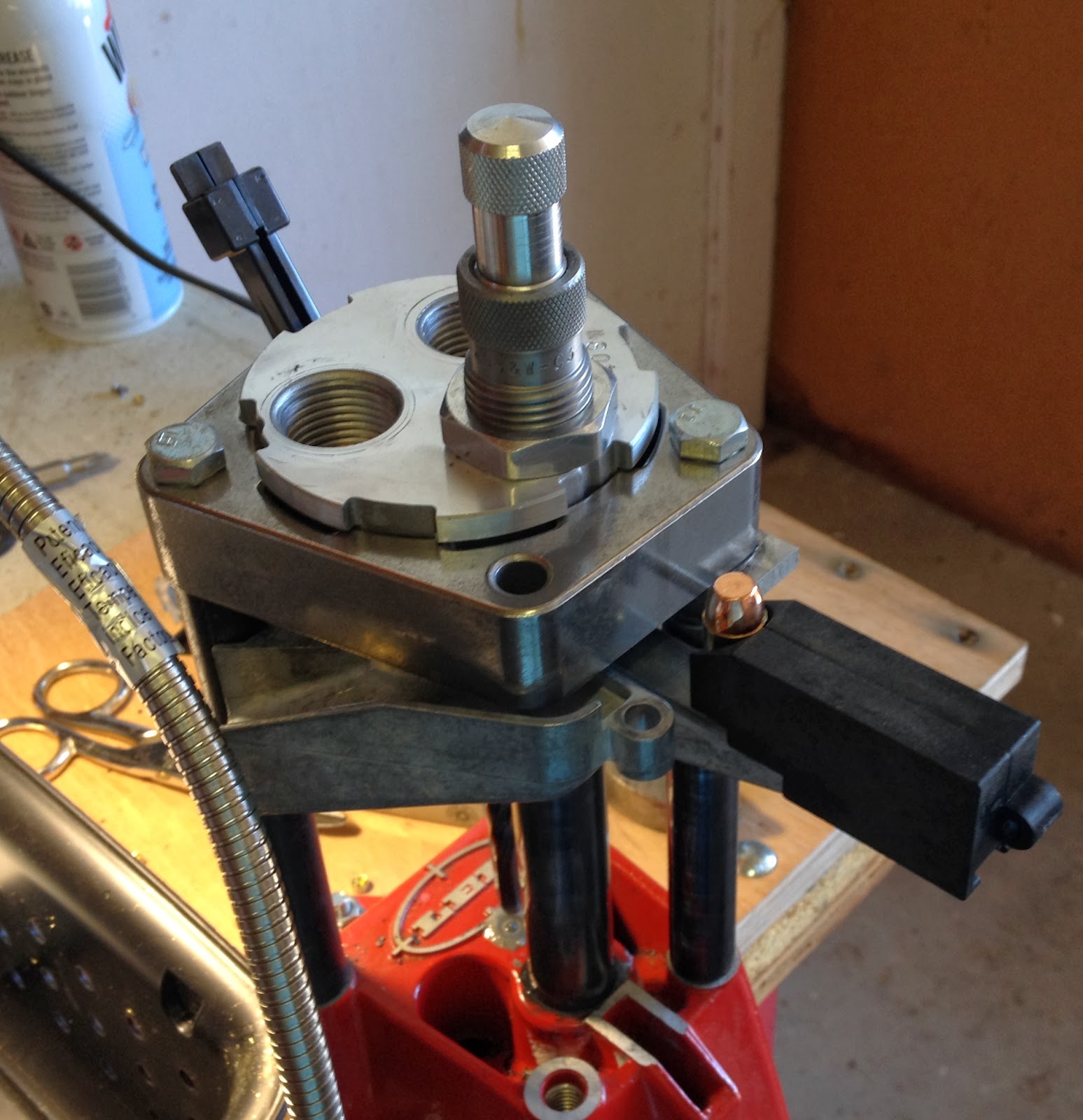
I set up the press with the seating/crimping die only and backed the bullet seat ram way out so that it was crimping only.

I didn’t feel warm and fuzzy dropping loaded rounds, nose to primer, down the feed tubes, so I removed them and just set each in place as shown.

After tweaking the crimp over a few rounds, I tested each of the first 150 by fitting them in the chamber of my Lone Wolf barrel. If it dropped in and poured out, I called it good. With those working flawlessly, I started testing five random cartridges from each finished box.

When I got to the batch of nickel plated cases, I found that they were much better crimped. The press had been reset between those batches, so I just set it better on that batch.  Most were either fine or maybe had the slightest drag in the chamber. I ran them through anyway, again testing five from each box after recrimping

It took about 5 minutes per box, start of one to the start of the next. All tolled, about 1700 +/- recrimped in about 4 hours. Just to be thorough, I spot checked about 5 boxes of 10MM, but they have all been working anyway, so there was probably no need. Now to see how the shoot in a match tomorrow evening.

Give me a lei! Its a Lua!

Sadly, no luau…. no roasted pig… no pineapples. Lua is scripting language supported by Vera. Generally speaking, it’s how you do stuff they didn’t already build in.

I mentioned that I have my pool pump turning on or off by a schedule and I have managed to get it to turn on when the temperature sensor goes below 36 degrees. That temperature may be set lower at some point, but for now, I want a margin of safety.

What is not ideal is that the schedule can turn off the pump even if the temperature is below freezing. The next time the temperature is polled, that trigger will turn it back on but that is a bit inelegant and potentially dangers. What if something suddenly stops the temperature sensor from polling for long enough for the exposed filter hoses to begin to freeze?

There are several examples of Conditional Scene Execution and I have lifted the Lua code below and attached it to the scene that turns the pump off.

local dID   = e3    — Device ID of temperature sensor
local tHigh = 37    — Highest temperature of range
local allow = true  — true runs scene when in range
local tCurrent = tonumber((luup.variable_get(“urn:schemas-micasaverde-com:device:TemperatureSensor:1”, “CurrentTemperature”,dID)))
return ((tCurrent >= tHigh) == allow)

I lifted this snippet pretty much directly from the forum then edited to be appropriate in my environment. I don’t really have range of temperatures where I want to allow the pump to turn off. It’s pretty much the one temperature. Below that, don’t turn the pump off.

I looked at the “Settings” tab of the temperature sensor to get the device ID and the “Advanced” tab to get the urn: details. I chose 37 degrees as the set point because the trigger to turn the pump on is 35 degrees. Hopefully, this ensure some hysteresis to prevent the pump from cycling back on if the temperature is hovering at 36.

Once I’m sure this is working, I will add a trigger to turn the pump off above some fairly warm temperature, say 50, to prevent it from running all day just because it happened to be chilly at 6AM when the schedule went by.

Zowie… 2 years later…

I did indeed get the VeraLite and over the intervening two years, a few devices. Incidentally, MiCasaVerde is now “Vera

Since I didn’t update this blog along the way, I kinda have a current snapshot of two years of intermittent development.

Vera’s two controllers, Vera3 and VeraLite are the same OS running in different hardware. Vera3 has more features, particularly WiFi and network routing features, whereas VeraLite does not. There may be some more connectors or lights on it; not sure. I have an established WiFi network already, so I didn’t see a reason to complicate things. VeraLite costs less as well.

Since they both run the same OS (called MiOS), they present the same web interface. The interface is reachable on the local network or through a (free) internet gateway run by Vera. VeraLite polls Vera’s website frequently using port 80, which allows you to remotely control your Vera device, usually without any special firewall configuration. This does introduce what is, to me anyway, a small but acceptable delay, especially since most of my remote operations are done with a smartphone app anyway.

The primary device that has been used consistently for almost the entire time is the 2Gig CT30 thermostat, which has since been discontinued and replaced with the CT100, which has since been discontinued and replaced with the GC-TBZ48. The CT30 and a couple of different smartphone apps has allowed us to lazily adjust the thermostat without leaving the couch or even the bed. I have played with it remotely, but mostly just because I could. I haven’t really needed it. Our schedules mean that there is not much time during the day that the house is unoccupied.

I have a couple of lamp modules and a couple of heavy duty appliance modules. I have experimented with using them in various functions around the house. The lamp modules haven’t proven to very practical. This is mostly because there needs to be a user friendly (meaning wife friendly) way to turn them on and off without going to another room or picking up the phone, etc. If she wants the lamp on the dresser on, she usually needs it *now*. Where the lamp module has shone is with the Christmas tree. I set up a schedule to turn on in the morning, off in the early afternoon, back on in the evening, and off at bedtime. In a few days, the tree will come down and i will find something else to light up.

One kinda fun application of a lamp module came when I couple of lights in the bedroom were still connected to it. My wife did not have a phone in the bedroom with her and I needed to call her, for a wakeup call if I remember correctly. When I couldn’t get her, it occurred to me to toggle that bedroom light on and off. Hopefully, she would call to find out why its going crazy.  When she called (it worked!) she was laughing and seemed to appreciate my cleverness.

The Jasco outdoor control module is a heavy duty rain proof module designed for non-dimming  outdoor lighting, but really it just switches power to anything that needs it. I originally purchased two of these to control heaters in our water well pump house and horse trough. That attempt taught me about an important limitation of Z-Wave: range. With a brick house and a metal pumphouse, even 20 feet is too far. I could not make it go. Since the power for both comes from the barn and I have network in the barn, I can at some point add a second bridged VeraLite in the barn and control the heaters (and lots else) from there.

For now, one of the outdoor modules is controlling the pump for our little above ground swimming pool. I currently just have it on a time schedule to run overnight since our Texas winter freezes overnight and thaws every day. I’d like to run the filter basically an hour on and two hours off, all day long, but also continuously any time temperatures outside approach freezing. I have a Homeseer HSM100 3 in 1 sensor (motion, light level and temperature) but I am having trouble getting it to work from outside. Maybe the metal garage door is an issue. I’ll try putting the sensor somewhere else, closer to the appliance module for Z-wave network reliability.

The light sensor in the 3 in 1 will hopefully be pushed into service to operate some outdoor lighting at some point. The motion detector, outside, will probably be useless, but I may try having it run the outdoor lighting, if its dark enough.

The final cool thing I have been playing with is video cameras. MiOS is smart enough to be able to grab images from many, maybe most, common IP cameras and can present them through the remote portal. I can monitor the doggies during the day and the horses in the barn at night, from home or away.

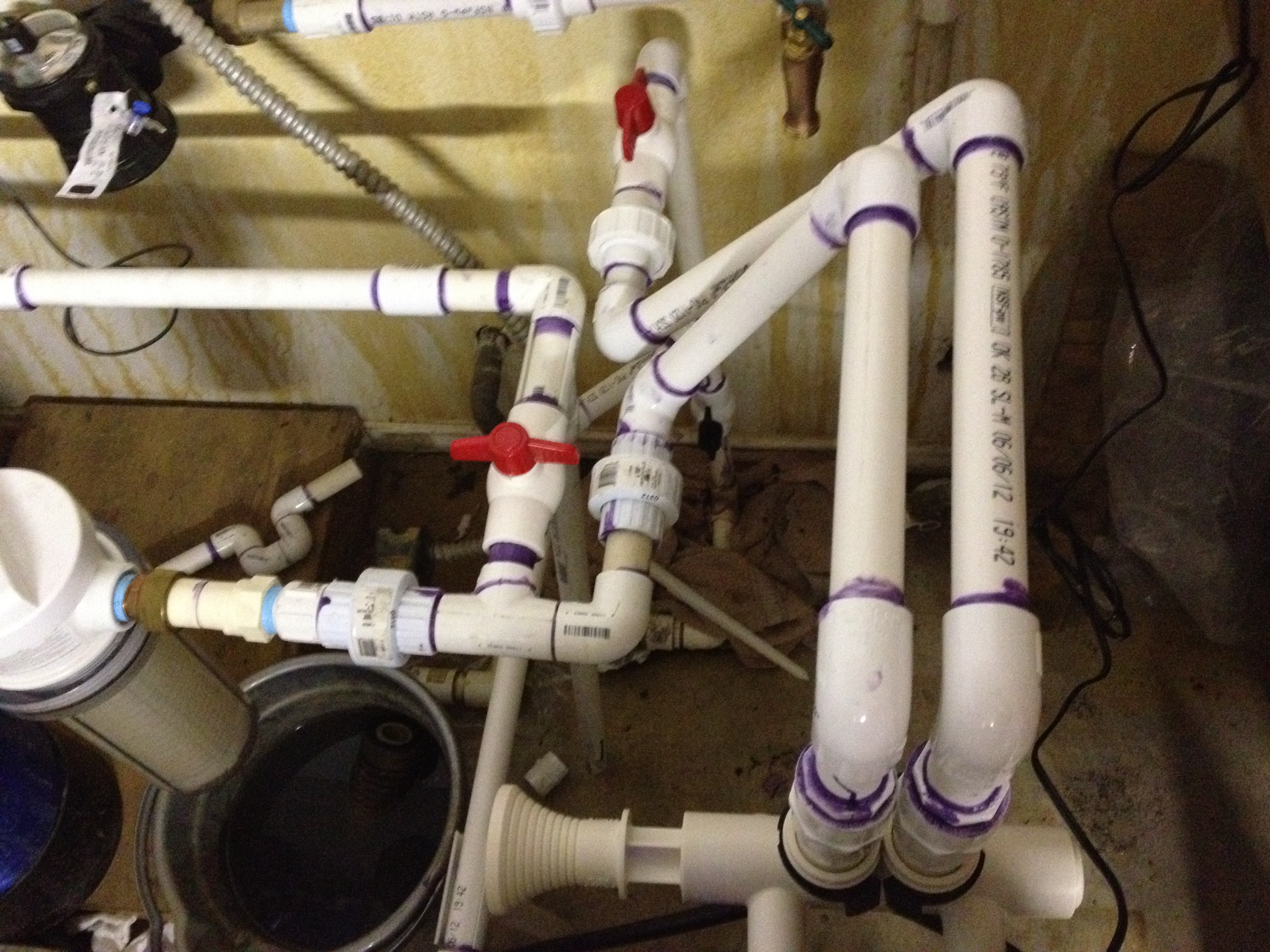
Another thing I want to be able to do is monitor our water system. Our well has a lot of sand, so it took a year or so to replumb enough filtering devices in line to keep it from clogging up a filter in the middle of a shower. Water comes from the well (420 feet or so deep) into the garage where the scary plumbing is.
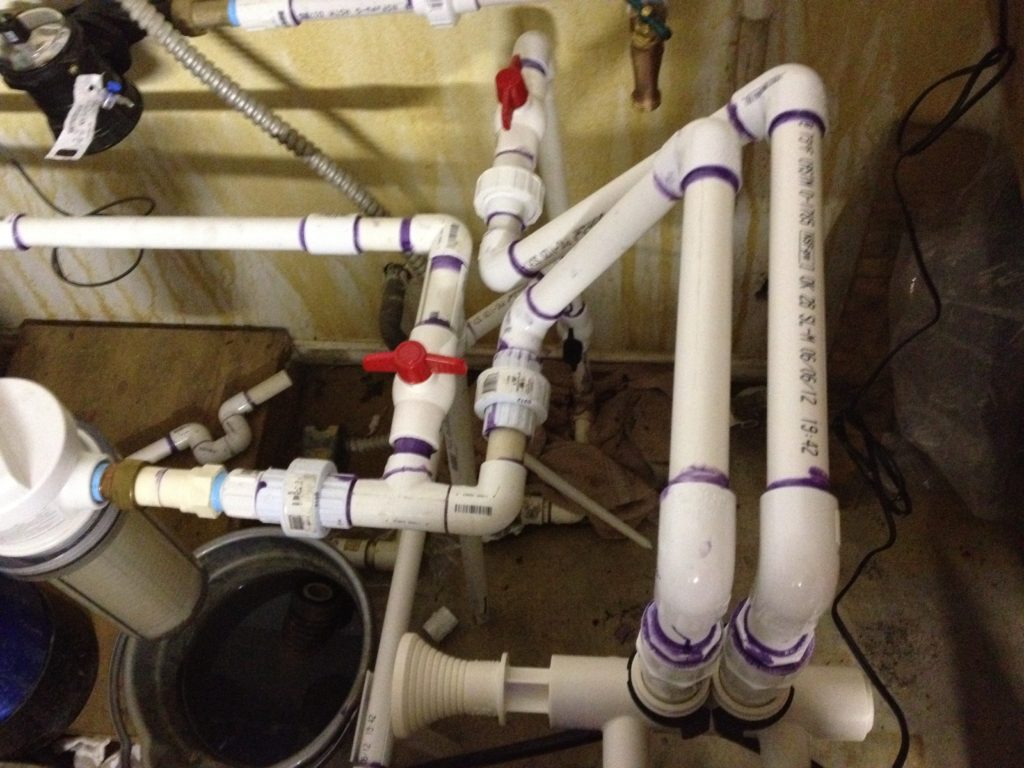
I got pretty good at PVC piping. Sadly, not until after the incident that painted the walls with that rusty orange wash.

Water comes into the garage and splits between the pressure tank and the inlet to the large filter on the right. This is a self-flushing sediment filter. It is programmed to flush at the next 1AM each time 1000 gallons has flowed through it. This is the most frequent interval possible. Sadly, our well produces enough sand that sometimes, this is not frequent enough.  Next in line is a standard cartridge filter, which used to be the first filter in line. This gets the fine silty stuff that eludes the self-flushing filter. This cartridge has to be changed at random intervals, but monthly is not unusual and I can deal with that. Before adding the self-flushing filter, it rarely lasted more than a few days. Next in the chain (but not in the picture) is dual stage sediment/charcoal filter that was already here. Due to the previous lack of prefiltering, it probably needs to be replaced. Next is a water meter, just visible in the upper left. This is just so we can monitor our own water usage. It has a contact that closes once for each gallon, so I really would like to be able to log and report on the usage. There is a little more piping and valves to allow some or all of the filtering to be bypassed if needed and a pre-filter spigot where we can get essentially firehose flow and pressure. This spigot is before the filters, which means it is also before the meter, so I don’t get to monitor it. Adding another meter there would be easier and probably cheaper than replumbing. Again.

In any case, monitoring pressure differentials can indicate when a filter needs to changed or flushed and electronically monitoring water flow would reveal any leaks or other such issues.
 

Sluggy Blogs All The Subjects