Primer Pocket Swaging

A couple of years ago, I purchased a box of about 1000 rounds of 10mm brass, mixed large and small primer, at a discount. I ran them all through the tumbler together then manually sorted them out by primer size. A little more than half of them are small primers.

By original specifications, 10mm and 45 Auto brass is made to use large primers. There is a lot of ammo being made today using small primers. Small primers on 10mm or 45 Auto are not a problem to load. It can actually be an advantage. It is easy for me to switch between loading 10mm with small primers and 40S&W designed with small primers because I don’t need to reconfigure the press for large primers.

Manufacturers are using more and more small primer in traditionally large primer applications in the quest to make range ammo less harmful to the shooter, particularly those who practice indoors often, such as law enforcement and competitors. Lead styphnate is a common primer chemical component and avoiding the concentration of lead in your body is a pretty good idea, “Green” agenda notwithstanding. Non-lead primer compounds tend to be significantly more energetic; it takes less of it, so small primers make sense. Even with smaller charges in a small primer, these energetic compounds tend to drive themselves out of the primer pocket, which can lead to feeding and ejection issues and even present a danger to the shooter from gases escaping into a part of the pistol that normally doesn’t have any high pressure gases. These issues are addressed by crimping the primer into the case.

The manufacturer’s most common crimping process is basically to use a circular punch that is very slightly larger than the primer to deform the case brass around the primer to crimp the primer into the pocket. When reloading ammo. step one on the press is a die that simultaneously resizes the case and presses the spent primer out. The crimp does not adversely affect removal of the old primer. Unfortunately, the crimp does leave a burr around the primer pocket that makes seating a new primer iffy. Most often, the new primer is crushed as it snags on this burr rather than seating into the primer pocket.

That is why I still have this brass.

There are two basic ways to recondition primer pockets to remove this burr and render the case reloadable. One is to use a primer pocket reamer, a specially shaped cutting tool that physically removes the burr. I have a set of these reamers and they work quite well, though they are a little tedious to use in competitive pistol shooting quantities. It also permanently removes material from the case head, though not a large amount.

The other is to use a tool to swage the primer pocket back into the desired shape. Swaging in this case is a form of cold forging, shaping the metal under force without a significant loss of material. The process lends itself to a higher rate of production than the reamer and makes the discount price on such brass even more attractive.

In my case, I currently have several hundred rounds of small primer 10mm brass, but I am finding that small primer 45 Auto is a little less expensive than large primer. I suspect that will not always be the case as more lead-free priming becomes normal.

The RCBS tool is intended to be bench mounted, but for a quick test, I operated it as handheld. It is really easy to set up and adjust. The directions suggest sorting the brass by brand because the web of the case may be slightly different between manufacturers. Here is a crimped small primer 10mm case after depriming.
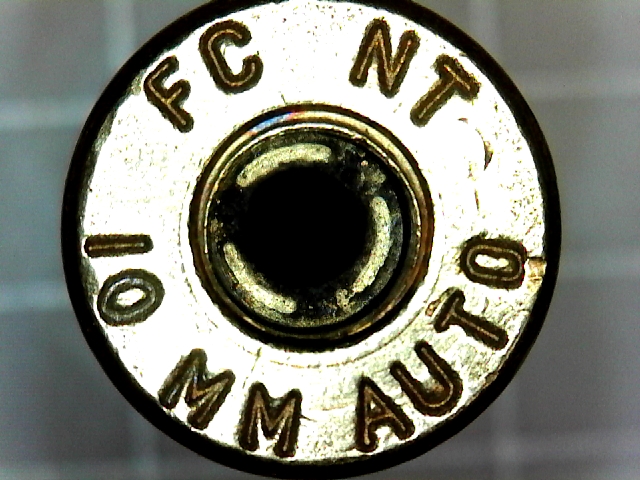
swage-before

Note the ridge, most visible near the “FC NT” stamping.

After running the case through the primer pocket swager, the same case looks like this:
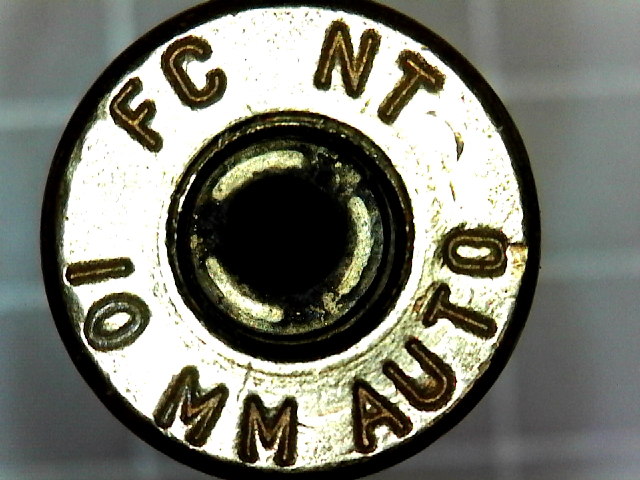
swage-after

While adjusting the tool, I managed to get a case slightly off center, which put a slight eccentricity on one side of the pocket, barely visible adjacent to “FC” in the picture below.
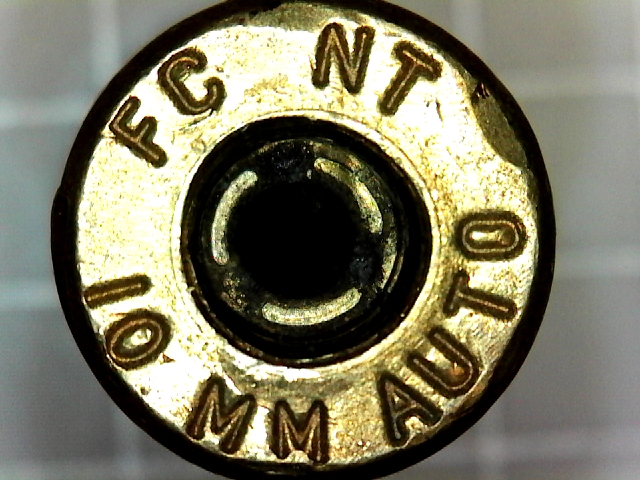
eccentric

I don’t think this is going to adversely affect primer seating at all because it’s only the very edge of the pocket affected, but I will pay close attention when loading this case.
Defensive Carbine & A L’il Surprise

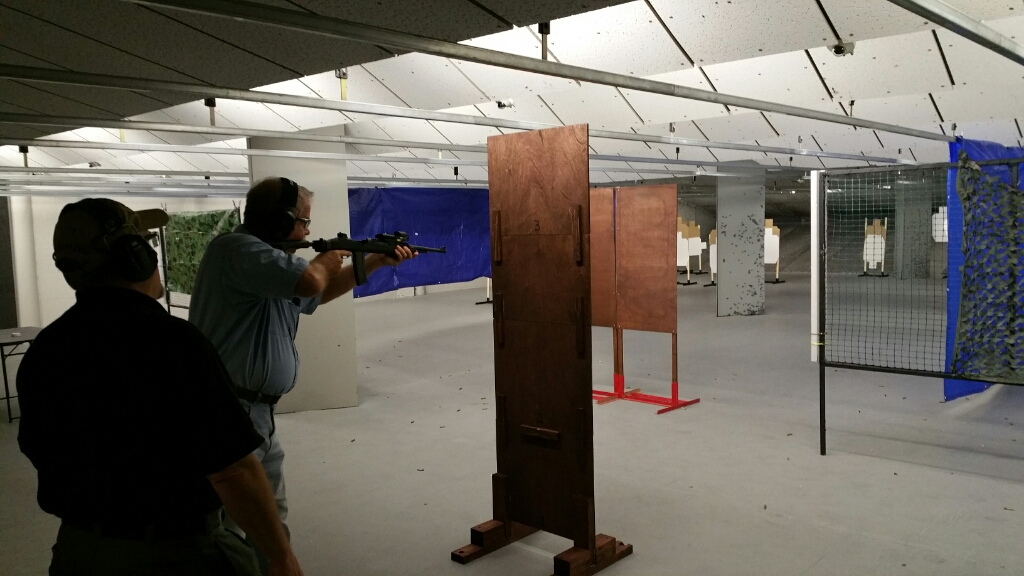
We went back to Defender Outdoors this week for CTASA’s first Defensive Carbine match, or at least the first Defensive Carbine Match at Defender Outdoors. Like the PCC match, scoring was basically 2017 IDPA scoring and penalty counts, 1 full second per point down and with modified shooting rules to accommodate rifles and carbines, like no concealment garment required, low ready start, rather relaxed cover margins, etc.

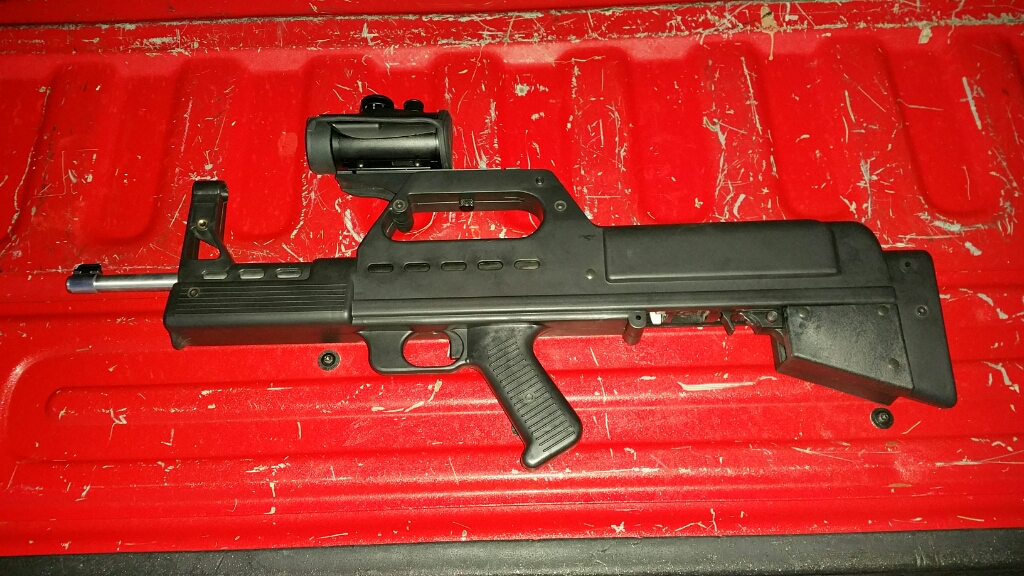
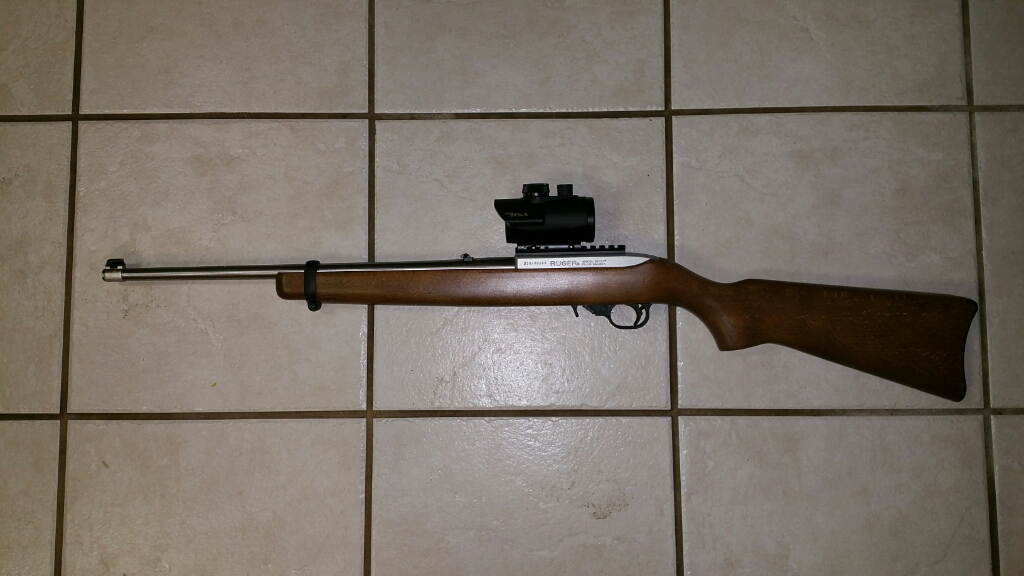
For this match, they allowed 5.56/223 and a .30 Carbine (a real 70 year old M1 Carbine) as well as pistol calibers and rimfires. I used my freshly returned to stock Ruger 10/22 with a BSA red dot optic.

rugerbsa

I had one ammo jam that I just cleared without analysis but otherwise, the rifle ran fine.

John ran the M1 Carbine, though it had an aftermarket folding stock and a red dot optic of some sort. He had some magazine troubles, so his first stage (Stage 2) ran 86 seconds raw. He got it worked out, though, and I don’t think he had any more troubles with them. He did lose the dot in the sight. I happened to have the right batteries for it, so we got him back in business. Wish I’d had a spare for my own! (see below)

Between the age of this classic rifle and it’s great look, I just want one now!

johnt

My own worst stage was my last, Stage 4. The light on my optic went out halfway through. I did ok on the array I was on at the time and the next one, which was close enough to point and shoot, but on the last array, at the farthest distance out, I did not hit them at all, 10 down, FTN, times 2. That was 30 whole seconds, plus a couple more down added to an otherwise decent raw time of 26.53.

In it’s normal around-the-house form, with a 3-9x scope mounted, it has Weaver 49711 see-through rings. For a rail mounted optic with a battery that may go out, this seems like a good idea. It’s on the way.

The bolt lock-back on the 10/22 is a little clumsy to release, requiring manipulation of the same cam/trigger needed to lock it back. Locking it back is quick and easy. Releasing it, not so much. There is a lot of info online about modifying the stock part, but chose to order a drop in aftermarket part that allows the more customary release by pulling the bolt the rest of the way back. I did not want to do the fairly detailed disassembly required to install it on the night before the match, so I will be putting it in soon.

Speaking of gun parts, I have my extended magazine release for the Glock 20C. It should take only a few minutes to install. At that time, I will also reinstall the other parts I removed to restore it to SSP division legal. 🙂

magrel

Finally, I have a little surprise about a pistol I haven’t talked about much in a long time.

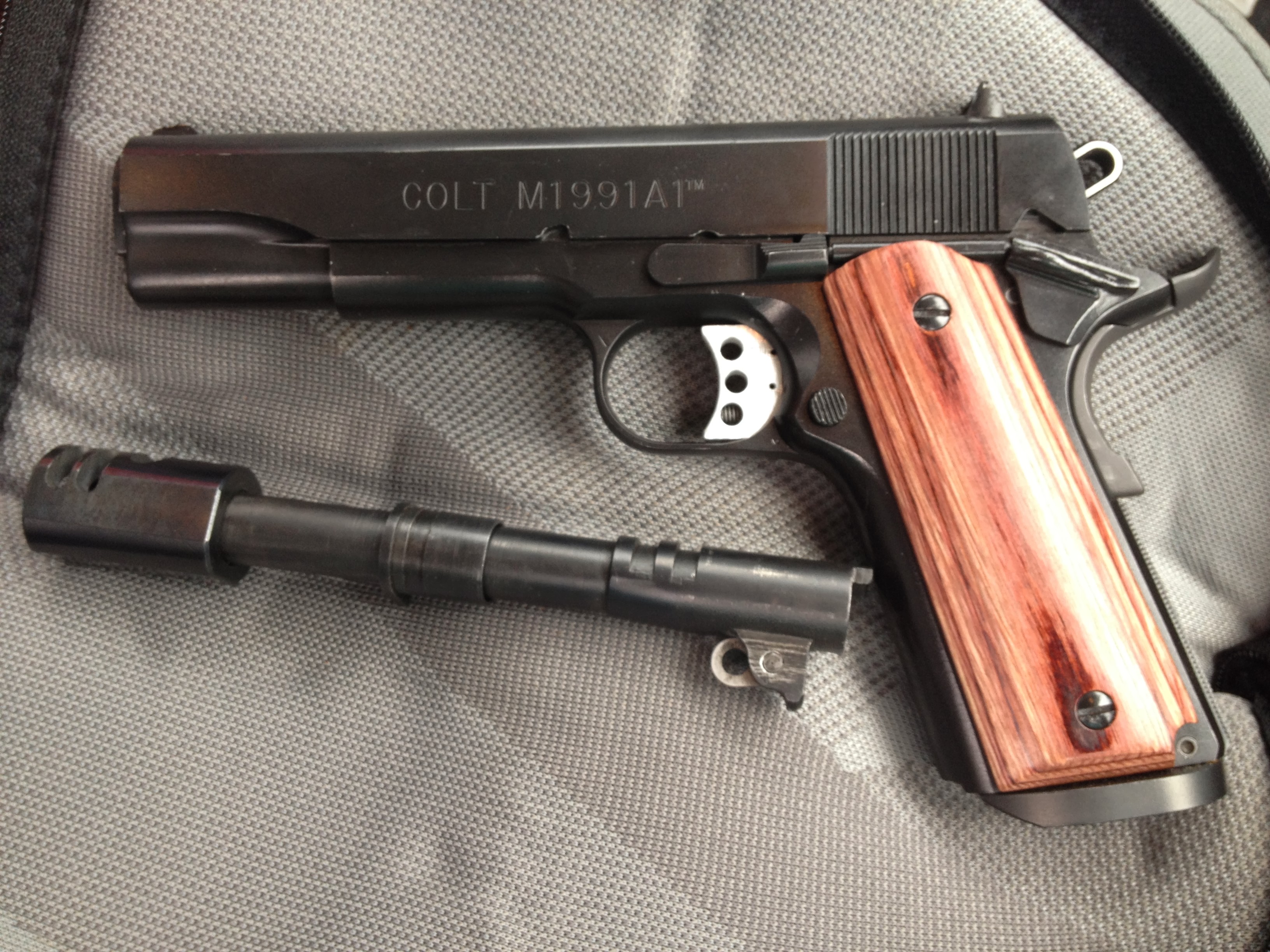
Next time you see this one, it will look quite different…

1991

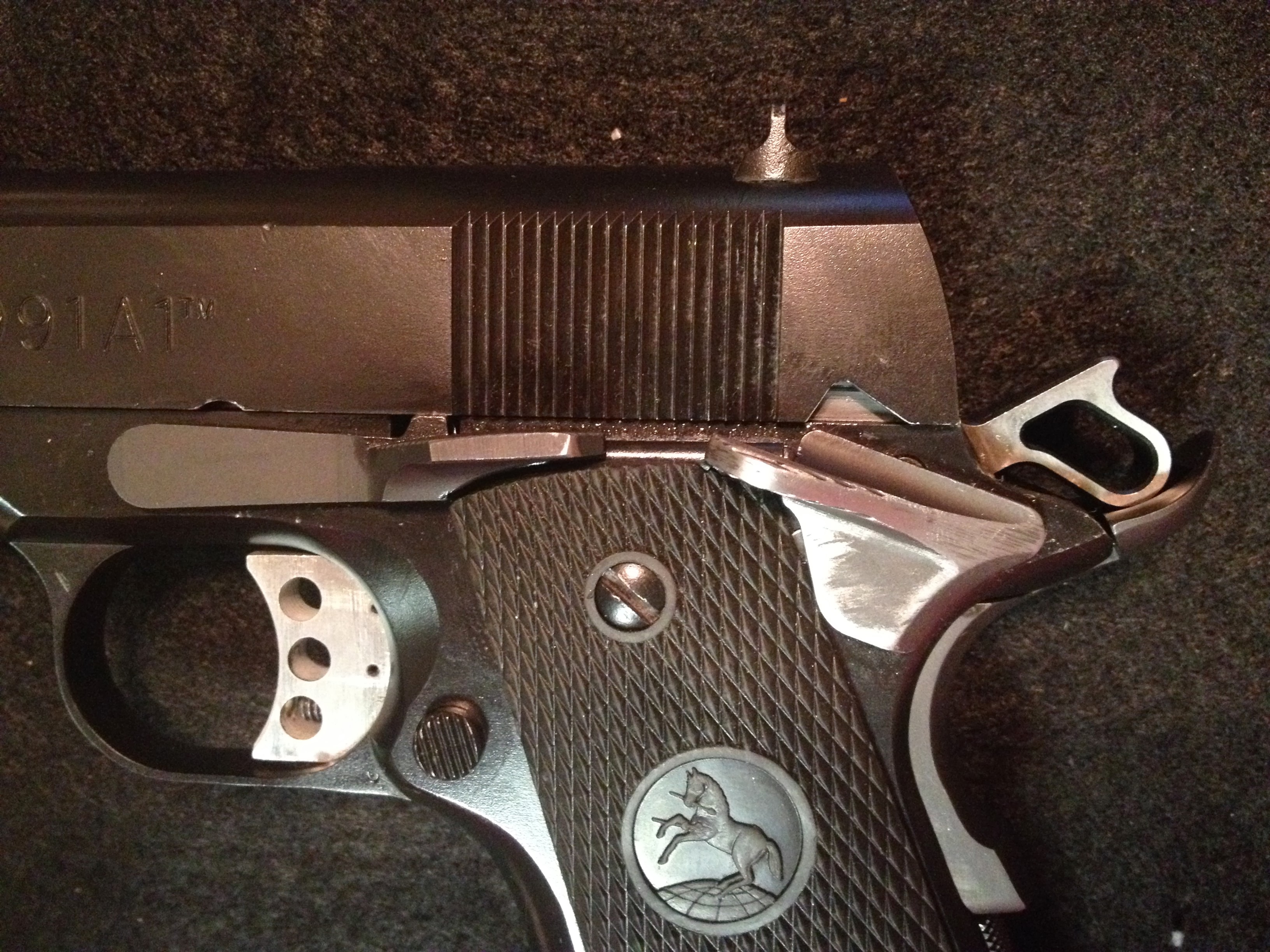
Especially around this vicinity…

1991-2


Little Things

Since the inaugural match at Defender Outdoors, I shot a classifier match and, in my mind anyway, I finally earned my Marksman classification. In my first classifier, I was shooting my 1911 for CDP/ESP. On one of the stages, the raw time on a string was not recorded and the match director and safety officers discussed it and entered a reasonable time based on my performance in other strings, thus bringing my final score up from Novice to Marksman. In my second classifier, I had no suitable soft shooting ammo loaded and using factory 10mm Auto, I scored 5.11 seconds short of Marksman. Luckily, they don’t roll you back based on one poor classifier. Last Friday, however, I shot a natural and properly recorded 168.25, which is pretty much dead in the middle of the ESP Marksman range of 138.01 to 190.00, with my score dual applied to SSP & ESP.

For the classifier match, I used my Glock 20C configured to SSP legality, stock magazine release, stock slide release, a standard G20 slide and barrel, which of course means 10mm Auto. I used a fairly soft load, 180 grain RNFP plated lead bullets propelled by 5.5 grains of Power Pistol. Though I have not chronographed that particular combination, it is expected to be about 900 fps. It was boomy flashy load, but recoil was a nice push and very controllable. It was a fun round to shoot and my score mostly reflected that. My worst stage was the last stage, the longest distance. This stage has two strings that require a tactical reload, and at this point in my skilz, those cost me a lot of time. Also, my long distance accuracy was not great, 52 points down. I know what I need to work on. 🙂

I finished out loading the last of a bag of 10mm Auto large primer brass with that load, then set the press back up for 40S&W. The 5.5 grain load on the 10mm was just from not changing the powder measure from the 40S&W, so I loaded up a couple boxes of those for the regular Thursday night match.

Turns out…  When I chronographed that 5.5 grain load in 40S&W a few weeks back, I got about 870 fps on a chilly 50F morning. Shooting the match last night in the high 70’s, those rounds were substantially hotter than I remembered. Like, factory hot. Even so, I shot Stages 1, 2 and 4 with only 11 down total, but stage 3 got away from me a little, 15 down, mostly from some targets taken on the move.

magbase

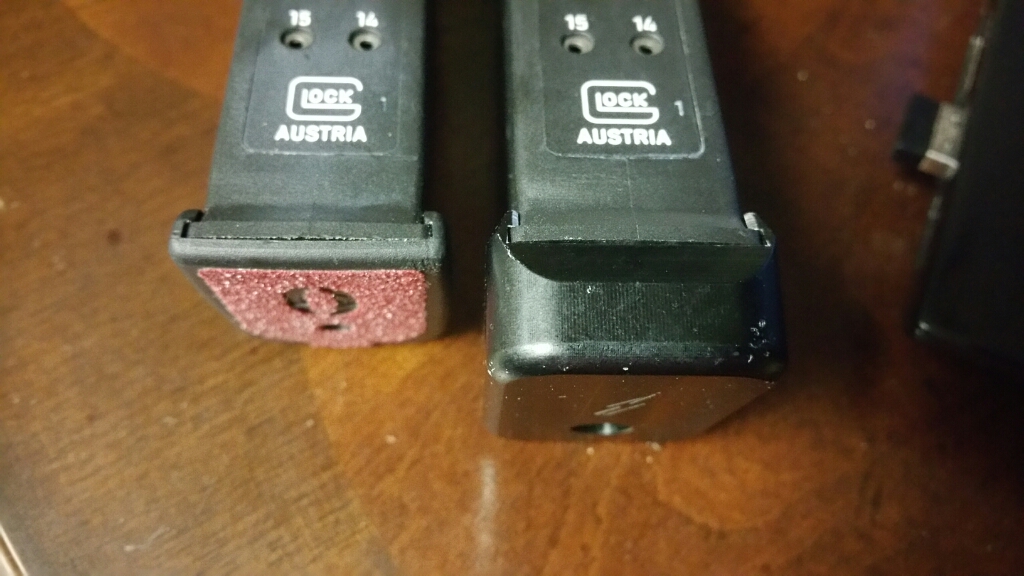
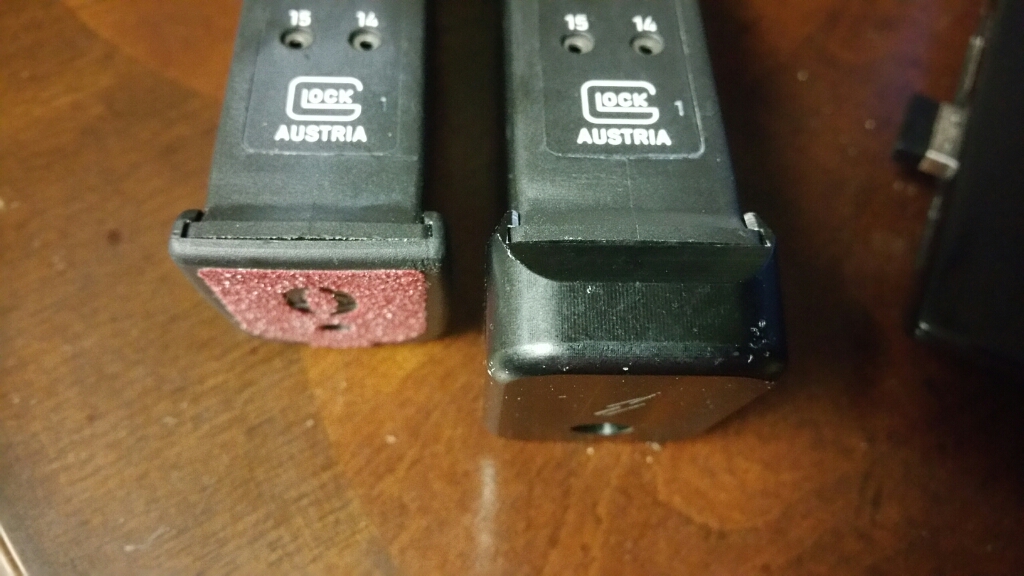
Having solved the magazine drop from the frame problem, I removed the aluminum base pads on all my magazines. I now have (2) Gen3 stock magazines and (5) Gen4 stock magazines, all of which drop free of the pistol when released. I had misplaced the original plates and ordered replacements from GlockStore. I also ordered another set of numbers from Dawson Precision, so they are all numbered now.

Somewhere, likely with the missing floor plates, I have an extended magazine release that I would like to install. When I ordered the replacement plates, I also ordered a magazine release, but I inadvertently ordered the standard replacement. They are only $4, hardly worth the effort to return, so I will call it a spare. 🙂 An actual extended release is enroute, though it is not a $4 one.


Defender Outdoors Inaugural IDPA Match

Last night was the first Cross Timbers Action Shooting Association IDPA match held at Defender Outdoors in Fort Worth.

Defender Outdoors is a new and impressive facility a short drive north of downtown Fort Worth. They also have a nice web store. Unfortunately, I was running a little late from work, so I did not get to wander the retail store, but I will make a trip over there soon for that specifically.

There are several indoor ranges in the facility, but the match was held in the large, clean and well lighted 12 lane 25 yard pistol range.

defender-12lane

Acoustics were interesting. The bullet traps are horizontal funnels with a very low angle of incidence, with no rubber chunks covering them. The ceiling is angled plates with a covering of acoustic tiles. Even with the acoustic tile, it is a fairly hard room, sound-wise. Modest 9mm loads boomed and my soft shooting but flashy 10mm sounded like the shotgun in Doom.

My shooting wasn’t terrible. All the tips I picked up from the class are not completely habit yet, but as long as I remembered them, I did pretty well. My only procedural error was a Fail To Neutralize for getting two 3’s on a target. Overall, I was number 18 out of 27.

One thing I certainly need to practice is reloading. It was tactically advantageous to perform a tactical reload with retention on Stage 4 and it felt like it took me 3-1/2 minutes. Then on Stage 3 (shot in that order due to squading), I managed to pinch my left pinky when I did a mag change. Not a major injury by any means, but bleeding is an option best avoided.

The pistol and ammo performed flawlessly, which made me really happy since I had not gotten to test fire this particular load beforehand. I loaded about 250 rounds of Xtreme 180 grain RNFP copper plated bullets propelled by 5.5 grains of Power Pistol and Winchester WLP primers. It was flashy and boomy, but it was not particularly loud, or at least not like a full power load might have been. I will chronograph these soon, but imagine it will clock in the high 800 to low 900 fps range. In the fairly unlikely event that the Power Pistol load failed to operate the pistol, I had 100 rounds of 155 grain BlueDot loads, which have been tested and are also actually pretty light.

Speaking of Winchester WLP primers, I had what I presume was a factory packaging defect. One tray of primers from the middle of a brick of 1000 was only half full, exactly 50 primers. That is the first time I’ve that happen with any primers, including the several thousand Winchesters that I have loaded.

WLP-lot

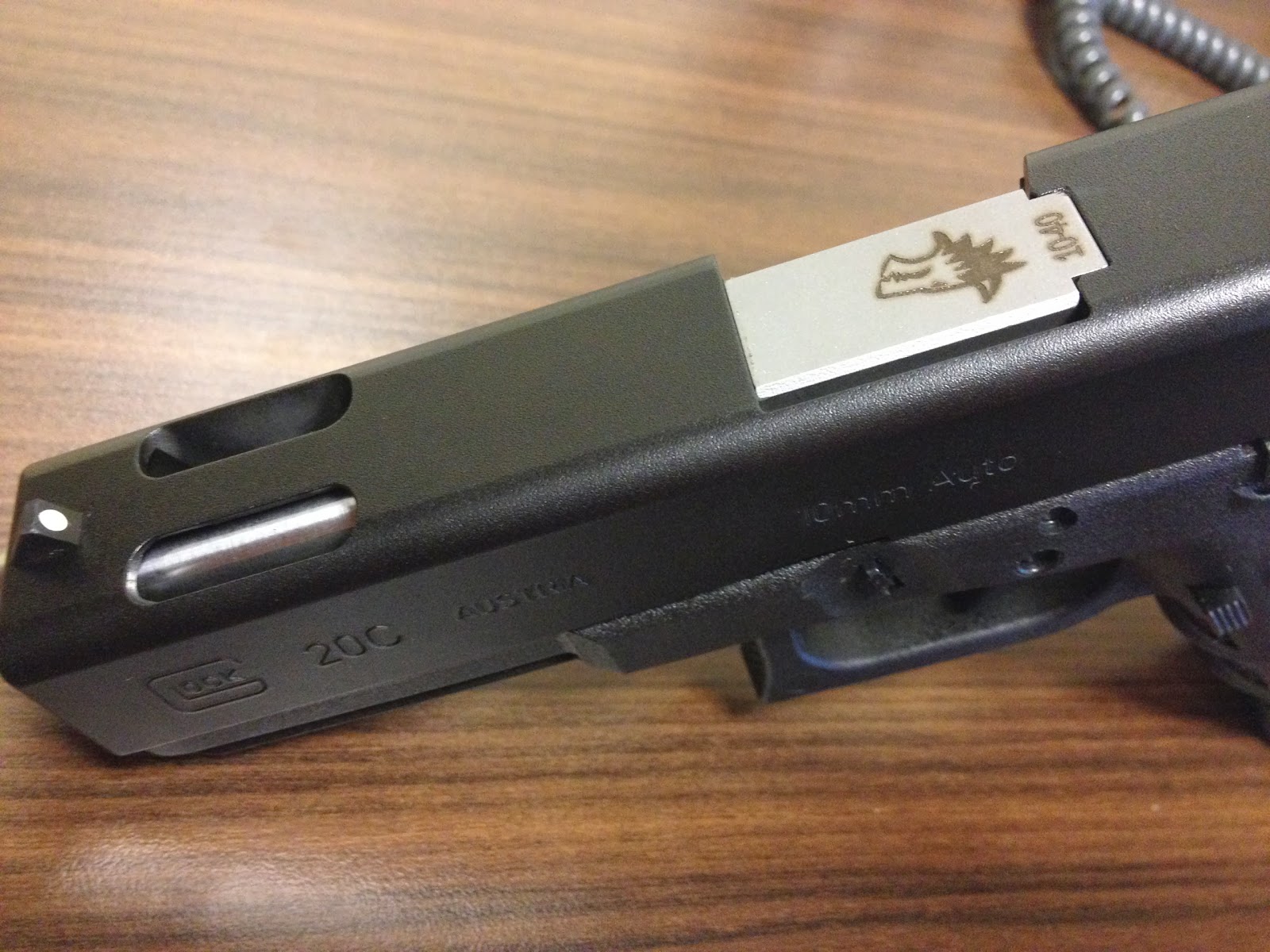
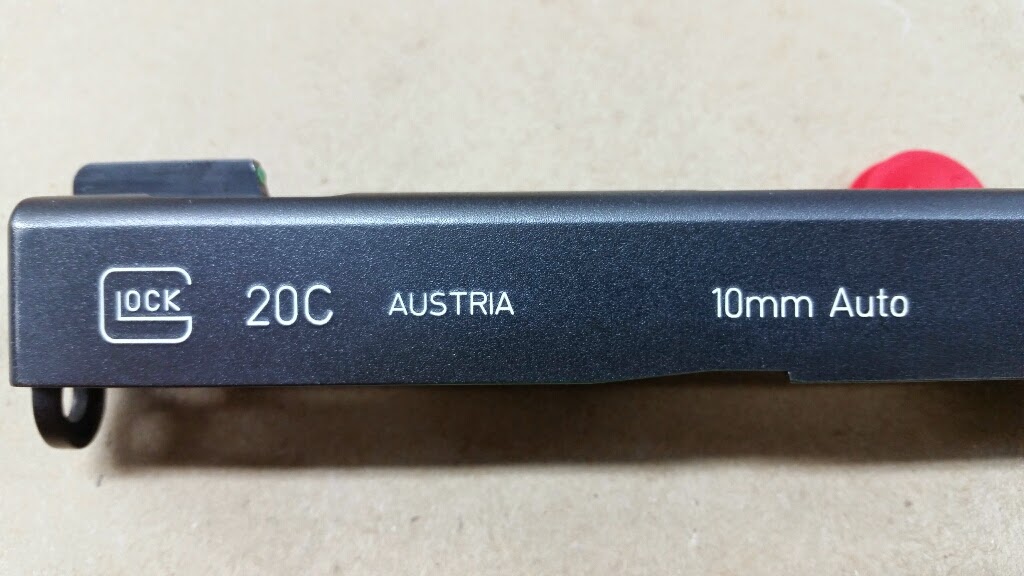
I chose this time to load a soft shooting 10mm because there is a classifier match this Friday and I would like to post a score for SSP and ESP, which requires a more stock pistol than my G20 running a 40S&W conversion barrel. I typically use the G20C slide and a stainless steel Lone Wolf conversion barrel. It has a nice sporty look.

IMG_01256

It is especially dressy now that I have filled the lettering on the slide.

upload_-1.7

In any case, pesky rule 8.1.7.1 says no compensators of any type including hybrid or ported barrels and while 8.2.2.1.5 says that firearms originally sold as compensated/ported models may be used in ESP with noncompensated/nonported barrels installed, 8.2.1.4.8 says ported firearms with non-ported barrels installed cannot be used in SSP.

As luck would have it, I have a stock G20 slide and barrel and the G20C uses the same frame, so other than the serial numbers not matching, the combination builds a stock Glock 20.

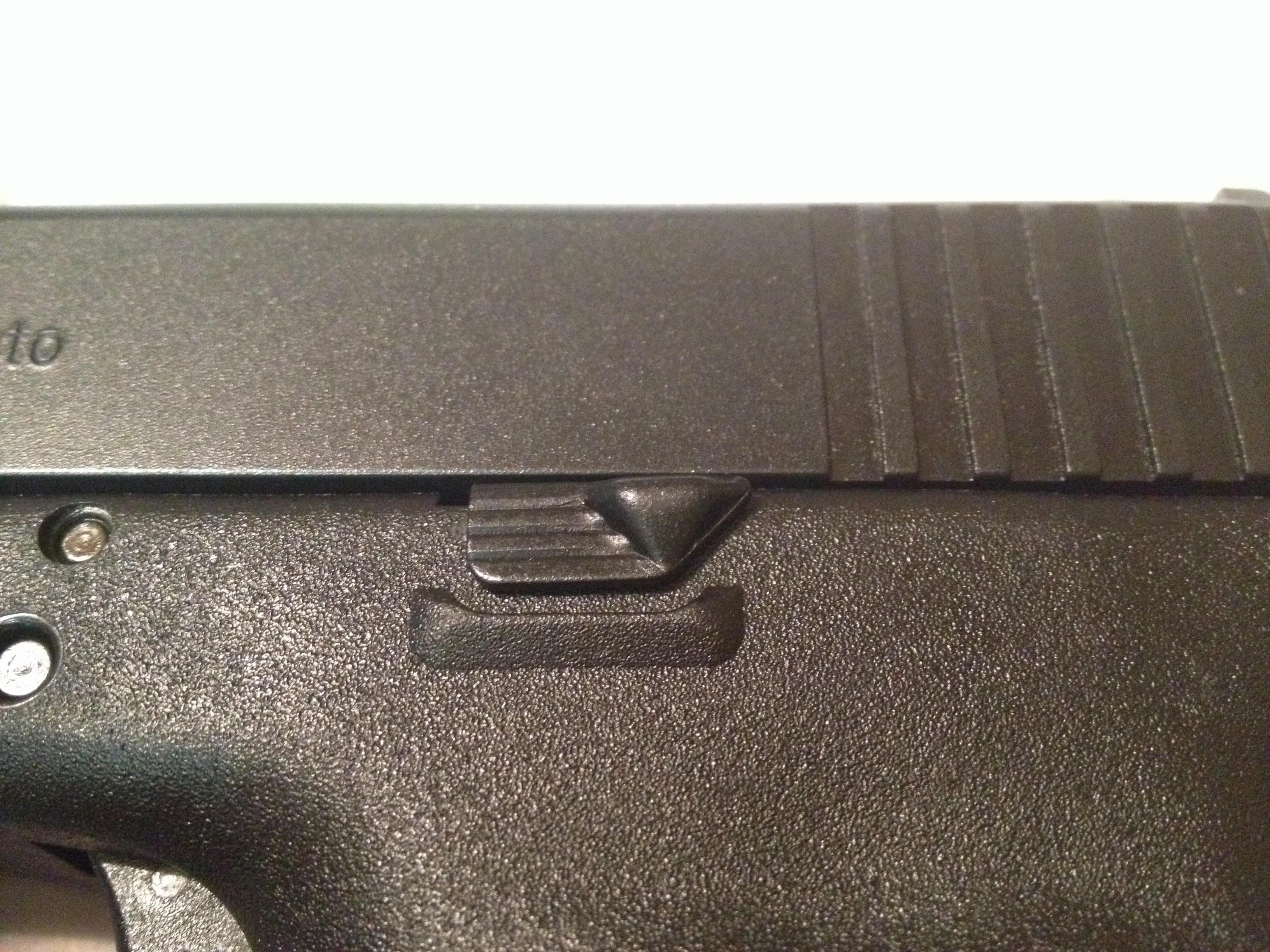
There is, however, one departure from stock that I will need to address. I put the “extended” magazine release on the pistol. ext-mag-release

An argument could be made as to whether or not it makes much difference, but per rule 8.2.1.4.2, it does count as an excluded modification for SSP pistols. I will see if I can find the original and reinstall it before the classifier, which really means reinstall it tonight. If not, I will just have to shoot ESP and get my SSP next time.

Maybe it will be with the missing stock magazine floor plates. I have some aftermarket units, which are allowed in SSP but their added weight is pretty close to marginal. Since I found the reason my magazines weren’t dropping free, I don’t need the weights on there anyway.

magbase

Rifle Shopping

My lovely wife has gotten interested in getting her own rifle, probably a 22. This is very exciting news for me, so this weekend, we shopped at four common places for one.

On Saturday, we were going to Cabelas for minnows anyway, so that was a natural starting point.

I like Cabelas for most things, but I have had mixed results when I have had to consult with any of their personnel. Friendly and knowledgeable generally, but at the firearms counter on a busy Saturday, with NASCAR in the neighborhood, it could have been a better experience. Nothing really wrong with how we were treated or anything, but felt a little like we were interrupting his lunch or something.

The primary criteria is that she can comfortably lift and hold the firearm. Action, capacity, etc, is definitely secondary to fit.

We found that the Mossberg Plinkster 702 (which they had only in a pink camo) looks pretty promising. Also found in the used side was a beautiful bolt action 17HMR with a very nice scope. It’s nearly $500, so I’m sure it wont be on the final list, so I didn’t record the model. I am almost sure, however, that it was a Savage 93R17 BVSS with a scope. It sure was purdy.

Next on our regular rounds was WalMart, where we found a very helpful gentleman in the sporting goods department. In addition to a $99 non-pink-camo Plinkster, they had a Remington 597 with factory included scope. This was the most comfortable to hold, though it was a little bit on the heavy side. Because they were handy and we had his undivided attention, we also looked at some centerfire rifles, just to compare really. Bolt action 5.56mm and 243 Winchesters were the best candidates, even though we did keep coming back to 22s.

On Sunday, we went to Academy and found pretty much the same things, though prices were all a little higher than WalMart. I also got to see and hold a KelTec SUB-2000.

There is a new Gander Mountain store, open only about six months now, that we had not yet been into. The firearm guy there was equally friendly and helpful as the guy at WalMart, but with much more inventory. Turns out they price match *and* they offer something I have not seen anywhere, an extendable warranty on firearms that covers damages beyond normal wear and tear. Generally, firearms are ‘all sales final’, but by purchasing Summit Protection Plan with your firearm, repairs and even replacement is under warranty. Add in price matching and it seems likely that we may purchase from them.

A recurring theme emerged amongst all the salesmen. They all very highly recomended the Ruger 10/22, in all its variations.


PCC

Pistol Caliber Carbine…

I have actually been interested in this genre since Marlin introduced the Camp Carbine in 1985. The concept of pistol and rifle shooting the same ammunition was well established, but my younger self had not at that point considered it. At the time, I would definitely had been most interested in the 45 Auto version, to accompany my Llama IX-A. Those were the days…

Last week, Cross Timbers held an experimental pistol caliber carbine match. We used essentially IDPA scoring rules and modified the shooting rules to accommodate carbines. Any pistol caliber carbine was allowed, included those shooting 22LR. The Ruger 10/22 was specifically mentioned as a suggestion.

I have had several autoloading 22 rifles over the years. The most interesting was probably the AR-7. Mine is long gone, but I think it was the Charter Arms variant. I’ve also had Marlin Model 60 tube fed rifles. My favorite thus far, however, has been my Ruger 10/22. It is the stainless barrel and hardwood stock, most like this one, but mine came with the 10 round magazine.

I had a 3-9x scope, so I got some Weaver 49711 rings. These are see through rings specifically to mount on the 10/22 and allow use of both iron sights and a 1″ scope. The combination is rather effective.

shotcenter singlehole

Since the 10/22 probably has more aftermarket parts available than any other 22LR rifle ever made, it was easy to locate a cheap bullpup stock for it.

Turns out, the Muzzlelite Bullpup Stock for the Ruger 10/22 might be a little too cheap.  I had read several bad reviews of the stock (after ordering it, while awaiting its arrival), mostly about trigger issues, so when installing the rifle into the stock, I tested trigger action essentially at every step and identified some issues that I was able to address right then. Mostly, it is trigger reset problems. Flashing from the mildly sloppy injection molding of the parts can interfere with the trigger assembly return, preventing the 10/22 trigger from resetting. Removing the flashing and making sure that the rifle hardware is mounted as far rearward in the stock as it can go seems to have done the trick.

The stock 10 round 10/22 magazines are low profile and reliable, but not a quick change item. The BX-25 25 round magazine has proven to be reliable for me, but would not fit the Muzzlelite stock due to interference with the pistol grip. Consequently, I picked up two 15 round BX-15 magazines.

I fired the Muzzlelite bullpup with the 15 round magazines exactly 5 times the night before the match, which will come up again below.

I had a BSA red dot optic that I had originally gotten for a crossbow, but had not yet installed. It is supplied with reversible mounting rails that will work with 3/8″ dovetails like many rimfire and air rifles are equipped with or flip them over to mount to Picatinny or Weaver rails. The plastic Picatinny rail on the Muzzlelite worked pretty well.

I boresighted the combination. The offset between the optic and the rifle bore is pretty high, though. I had to pick *some* distance to sight in on and chose approximately the distance from the firing line to the typical target array just in front of the berm at the range.

bullpup

Match time came and it was a lot of fun. We squaded such that stage 2 was my first stage and I was glad to have gotten it out of my way early. There were 4 legal shooting positions, at least three of which had to be used. You had three ports cut in a sheet of plywood and low cover over the top of the plywood to choose from. Challenging enough, but I had so many feeding issues. Furthermore, one port was a long narrow horizontal slot. The offset between the optic and the barrel meant that I had to cant the rifle over at a significant angle in a (failed) attempt to both see the target and to shoot it without hitting the plywood.

Stage 4 was my worst. The raw time was 73.88, spent mostly clearing jams. I had actually cried uncle, but the SO encouraged me to keep working through it, so I did. When the hits on non-threat targets and simple points down were added, my 93.88 time on that stage was 1.01 seconds faster than the leader got… on all five stages combined 🙂

Next time, and I hope it’s soon, I will run the 10/22 in stock form, with the BSA optic and known reliable magazines. Those all work together. Then again, I might look into some other combination. It is mildly frightening that I find myself considering a KelTec anything, but their reputation is slowly improving and one shooter used a suppressed SUB-2000 at the match and finished very strong.

Meanwhile, I put the 10/22 back to stock and found that the Muzzlelite stock scuffed the barrel slightly where it emerges from it. It is not significant and doesn’t really bother me. It can likely be buffed out with a ScotchBrite pad, but I thought it worth mentioning.


Chrono II, The Sequel

I had a few minutes Saturday morning and thought, hey, why don’t I go shoot 140-odd rounds of various ammunition through a couple of coat hangers glued to a clock?

chrono2

The object of the exercise was that, even though I’ve had the chronograph for a long time, I had not used for exactly what I had intended to use it for, evaluating the performance of my handloaded ammunition.

I gathered all the various handloads that I had on the shelf, (8) 40S&W, (5) 10mm Auto and (3) 45 Auto. I also grabbed a particular box of 22 to try out.

My handloads were almost all using Xtreme RNFP bullets at 155, 165 or 180 grain. The procedure was pretty straight forward. At the top of a spiral notebook page, I recorded the specifics of the load being tested, i.e. “40S&W RNFP Xtreme 180 / Power Pistol 4.40 / OF / CCI500” or some variation therein. I then list numbers 10 though 1 in reverse, Average, Spread and Standard Deviation. I then loaded the magazine with the load to test, took my position about 10 feet from the chronograph and fired a full magazine, pausing between shots to verify that the machine caught them. On rare occasions, it did not.

Once the magazine was exhausted and the pistol made safe, I would take the notebook to the chrono and review the string. The last shot is displayed then each press of the review button shows the next one back. I recorded each number, including the stats, marking the high and low velocity shots with a + or -, respectively. I then deleted the string from the chronograph and set up for the next test.

A “Err” display means that the first screen detected a projectile but the second screen did not. This is most often caused by aiming too high in the detection box, making it harder for the circuitry to catch the projectile. Honestly, I’m sometimes surprised that a chronograph works at all, let alone so well. For a 40S&W pistol round at 1000 fps, the chronograph has to notice a shadow that lasts about 40 microseconds across each detector. For the 7000 fps max velocity it is rated at, that shadow is about 6 microseconds. Light itself, which travels so fast that we only noticed in the last 300 years that it travels at all, can only go about 1 mile in 6 microseconds. In any case, I only had two Err displays in nearly 150 rounds, and statistics account for those missing shots.

I have several things to report about the results.

The oldest handloads I had for 40S&W and all the handloads for 10mm Auto were done before I discovered IDPA, so those are not particularly light loads. Most of my loads seeking a light recoil are much more recent.

A favorite load for that is 4.5g of TiteGroup, which I used interchangeably with 155 and 165 grain bullets. It is a very pleasing load to shoot. Recoil is slightly sharp, as in quick, but very light, not very forceful. It operates the pistol reliably. At a sanctioned match, they chrono’d at 960 fps. However, both weights with that load averaged 805 fps for me. I don’t know if ambient temperature can really make 160-ish fps difference or not. A quick Google reveals that on that match day, it was 83F and for my testing, it was low 50’s, 51F at 9:00AM.

Another interesting bit is that the the same powder charge with 155 and 165 grain bullets were essentially the same velocity, at least in this one narrow test, and assuming that the velocities were accurate, the power factor on both of these loads is essentially dead on minimum 125 for IDPA.

Similarly interesting is that a 7.0 grain charge of Power Pistol propels at 180 grain bullet faster than a 155, 10 out of 10 shots if the velocities are sorted.

Presented here in the order shot:

1 2 3 4 5 6 7 8 9 10 Avg
155 1121 1064 1064 1059 1107 1083 1059 1028 1063 1113 1076
180 1121 1115 1096 1084 0 1111 1102 1131 1112 1101 1108

In this chart, the velocities have been sorted, lowest to highest. Ignoring the lowest since the test on these 180 grain bullets included one of the two Err displays, the 180 grain bullets are always faster than their 155 grain counterparts:

1 2 3 4 5 6 7 8 9 10 Avg
155 1028 1059 1059 1063 1064 1064 1076 1083 1107 1113 1121
180 0 1084 1096 1101 1102 1108 1111 1112 1115 1121 1131
variance -1028 25 37 38 38 44 35 29 8 8 10

As for 10mm Auto, I fired a magazine of a commonly available factory load, Remington UMC. The Remington ammo and all four of my handloads were numerically essentially indistinguishable from the Power Pistol 40S&W load, all hitting at or just under 1100 fps. The only one that stood out much was 7.5g of Unique, which had a noticeably sharper felt recoil.

I had only 3 available 45 Auto loads to test. With either a plated Xtreme bullet or a poly coated BBI, 5.6g of Unique produced a nice 180 PF load. The BBIs were noticeably smokier.

I did not remember until I began testing a lighter 45 Auto load of 5.2g Unique that I had experienced some problems with powder dropping in the old Lee press when I was just starting out with it. Much like my experience with them before, I managed to get off two good shots before a squib stopped testing on the 1911. I had not happened to bring a rod to clear said squib, so I just aborted testing the 45 Auto. The two shots were promising, averaging 685 fps for a power factor of 158. That is too low for legal CDP division, but there is room to tweak it up to 165.

Finally, I wanted to see what the Winchester Varmint LF load looked like. This is a hyper velocity 22 LR load that uses a bullet made of tin rather than lead. They come out of my 3.4″ Walther P22 barrel at a screamin’ 1200 fps, with a high mark of 1246. Imagine how they will do with a rifle barrel or even my Ruger or H&R revolvers.

It will have to be a manual action gun because not even one shot operated the auto pistol. Some stovepiped, but most didnt even extract that well. I will try it in the Ruger 10/22, but I am almost positive they will not work it either.

I have enough variety of 22 ammo that I want to do a 22 only test, testing all the various ammo in all the various guns. Stay tuned.


Stance, Slack Out, Picture, Press!

Last Saturday, I attended the Foundations in Shooting Sports class from Texas Defensive Firearms Training. I knew that I would get a lot of good information and coaching, but even expecting it, I was surprised how much of an immediate difference the instruction would make in my shooting skills.

Before I continue, I’d like to report that my 5.5 grain Power Pistol loads functioned completely without incident, not counting one weak hand fail to eject that was likely from limp wristing the pistol. I have done that weak hand shooting before.

fairmarksmanI am a fair marksman, particularly if given a little time, and I am always willing to learn more. I listen for pro-tips, whether directed to me or just given in my presence, I observe as best I can how the more advanced shooters I see at matches prepare and when someone gives me specific advice, I am quite likely to try it and to research it and maybe modify it. One such piece of advice that made a huge difference in my control of the pistol was when someone spent some time to help me establish the grip commonly called Thumbs Forward. I have big beefy hands that were allowing me to shoot OK, even with a poor grip, but a solid grip instantly improved my shooting.

Old habits are hard to break, though, and the slightly unnatural support hand position was easy to forget to do until I was missing targets then I’d suddenly remember, correct the grip, and be instantly rewarded with better shots. Also, I was pretty bad about failing to reestablish that grip after a magazine change, or other action that transitioned my grip. I am largely over that and tend to grip consistently now, or at least more consistently. It now seems unnatural to hold the pistol wrong 🙂

That grip had been, until last Saturday, probably the single best improvement I had made in shooting skills. Now I have a few new skills to add to that list. They all tie together, too, and much of it starts with a good grip.

A good grip conducts the energy of recoil through your body and skeleton and ultimately into the ground, minimizing the movement of the pistol, giving better control and faster target acquisition. A solid stance will conduct that energy to the ground better. A poor stance will dissipate that energy into you and as noted by Newton, some part of you will move. Chances are, whatever it is will not help your shooting.

As IDPA is an action shooting sport, the shooter moves around through a course of fire to solve problems in a defensive scenario. Scoring is by time and every movement costs time. It takes pretty much a half second to take a step, whether at a shuffle, a walk or a run. A good stance lets you be positioned such that you are moving with all steps, in any direction. Otherwise, you might need to take a step to set up to move, then a step to move and 1 second is now gone from your time.

You will rarely enjoy the perfect stance, since you are subject to movement that may be restricted by obstacles, but you can make a good stance second nature. A good stance starts with your feet separated, laterally and medially. They should be about as far apart laterally as your shoulders are wide and medially, the toes of the rearward foot should be about even with the heel of the forward foot. Which foot is best to have forward varies with the situation. You should be bent at the knees and waist, with your shoulders over your knees, which both lowers your center of gravity and gives you better flexibility on directions you can move.

I learned what I knew about trigger control largely from old literature and years of practice. Get your sight picture, hold steady and slowly squeeze the trigger. Turns out, there is a better way.

The trigger has a bit of slack in it, where it takes a small amount of force to move the trigger until it reaches a point near release, where it becomes stiffer. If you are shooting something besides a Glock, the exact experience may be slightly different, but they pretty much all do this to some degree. Even the 1911 trigger has play to take up, though sometimes a gunsmith shortened that play with a trigger job. If this slack is taken out while the pistol is in transition to the next target, then you are ready to release the projectile sooner upon acquisition of the sight picture, saving precious time. Since you aren’t moving your trigger finger as much while the sight picture is in place, you have less opportunity to move the pistol as it fires. It’s a simple concept that made a surprisingly big difference in my shooting, but it’s maybe up there with the grip in it’s single cause improvement.

We covered some tips on dealing with barriers, like using your walkthrough to mentally mark where the edge of the barrier and the zero zone of the target line up so you can actually have much of your sight picture and slack out done before you emerge from the barrier and take a rapid shot, saving precious time. Similarly, if you need to move to advance around a barrier to address multiple targets in tactical priority, you want to set up the positions for your feet so that you don’t have to take any non-productive steps, saving precious time. In your walkthrough, you mentally mark where your rearward foot should land to set up any such steps ahead of time.

We covered target transitions. Until this class, I transitioned from target to target much like a tank, turning head and pistol together until the sight picture rests upon the target. A better way is to take advantage of the much higher speed at which you can move your head or eyes. As you finish one target, turn your vision to the spot on the next target to aim for, letting your comparatively slower body move to catch up and move the sights into your field of view on the target you have already acquired visually. While the pistol is moving, you can be taking out the slack in the trigger so that it’s ready to fire immediately when complete sight picture is acquired, all saving precious time.

We also covered moving, while maintaining grip, stance and trigger control. I had done some of this fairly successfully, but now armed with a better stance for moving and better trigger control, I was able to put 7 or 8 out of 10 shots onto a 6 inch steel plate at 10 yards while moving laterally. It was extremely gratifying and definitely made the day worth the price of admission!

Now I have specific drills to work on with my SIRT pistol as well as dry fire and range practice with my G20.

As an aside, I noticed today that my current classifier has expired as of March 15. I’m still Marksman in three divisions, but without a current classifier, I wont be able to shoot in any sanctioned matches. I have none scheduled before the next classifier shoot in mid-April, so that’s probably ok.

Displacement / Time = Velocity

I spent a few minutes this afternoon setting up my chronograph so I could quantify the difference between the two loads I currently have.

chrono1

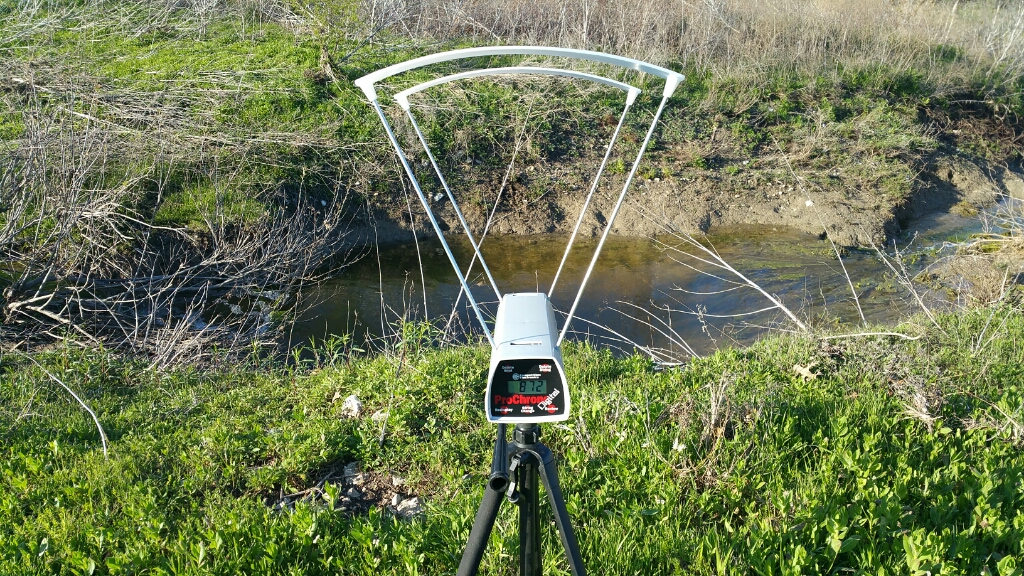
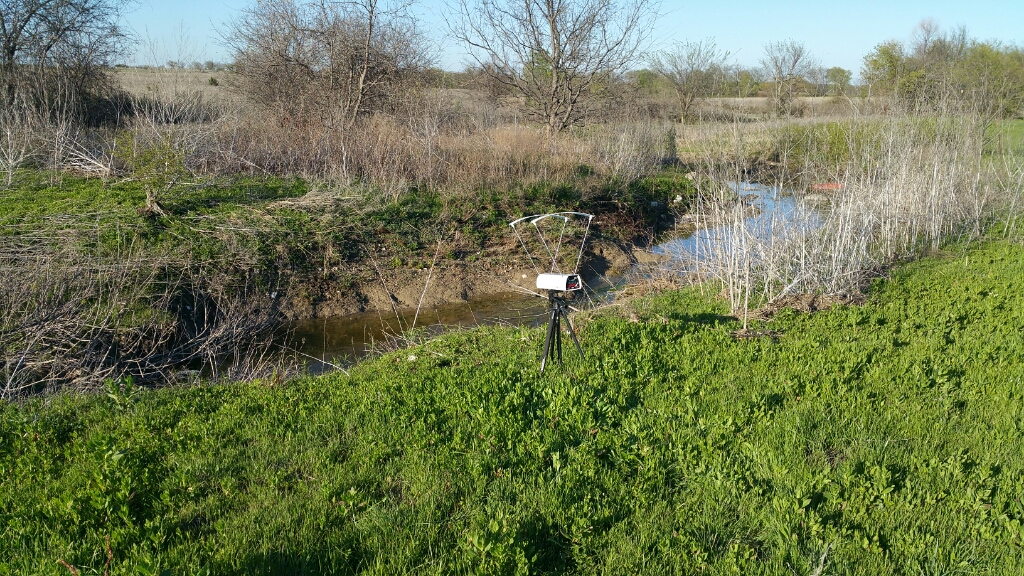
The normal spot where I shoot is overgrown right now, so I set up to shoot at a low angle across the creek.

chrono2

As a control, I shot 10 rounds of Remington UMC. It ranged from 976 to 1023 fps, averaging 1002 fps, for a muzzle energy (and thus, recoil energy) of 401 ft-lbs.

The 4.4 grain Power Pistol loads, the ones that don’t run the gun well, were, not surprisingly, significantly slower. They ranged from 677 to 743 fps, averaging 705 fps, energy 199 ft-lbs. Interestingly enough, the first shot was the lowest speed and it was the only one that didn’t cycle the pistol, but several of the empties literally rolled off my knuckles on ejection.

For the 5.5 grain loads, I shot 15 rounds instead of 10, partly because I wanted to give it more chance to fail to eject. The velocities ranged from 838 to 899 fps, averaging 869 fps, energy 302 ft-pounds. That is an energy increase of 50% over the 4.4 grain. They were definitely a little sharper, but more importantly, they worked the pistol really well.

I will split the difference in a future load, seeking the balance. In the mean time, I have a stack ready for the class.

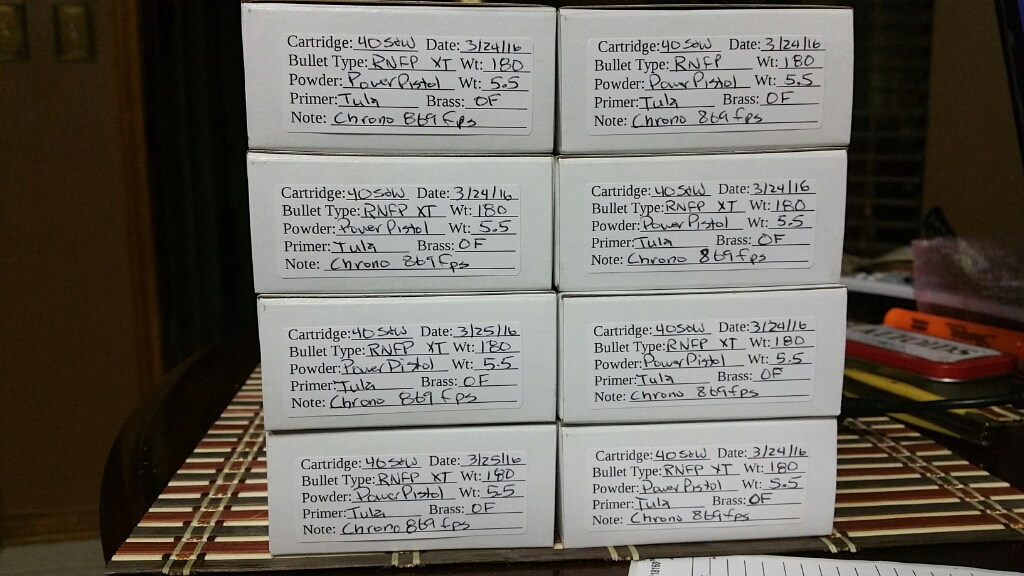
ammostack

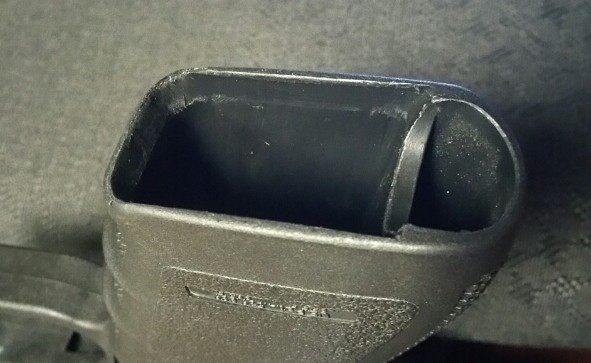
While cleaning the pistol for the class tomorrow, I finally found and solved the issue where my magazines would rarely, if ever, drop free without being manually pulled out. I kept examining the magazines themselves, but it turns out to have been a roll/burr in the magazine well on the pistol itself. I neglected to take before pictures, but here is the repaired well.

magwell

All magazines I have drop freely now, so I can put the stock floor plates back on them, presuming I can find them. The big plates didn’t help anyway.

magazines


Running A Bit Lean

I had the first local IDPA match with ammo I loaded entirely on the Dillon press. I had several ammo malfunctions, but they were all pretty simple failure to eject the spent cartridge. I have a 13 pound spring in the pistol. I can order an 11 pound spring, and I may still, but in the mean time, I will just twiddle with the carb and richen the mixture a little.

The ammo I had is 4.4 grains of Power Pistol pushing a 180 grain plated RNFP. This load is actually below what’s shown on the chart in my Hornady book for 180 grain FMJ. The intent was to try to get something around 700 feet per second to meet 125 power factor with the softest recoil possible. Seems I may have met that last criteria a bit too well by not generating enough recoil to operate the pistol reliably. I’d say maybe 10 or 15 percent of them stovepiped or rechambered or otherwise failed to eject completely from the pistol. It was even worse on a stage shooting with weak hand while on the move.

The 11 pound spring may help, but the slide on the Glock 20 is still pretty heavy, designed to help absorb the significant recoil generated by the sometimes 700-800 ft-lbs muzzle energy from full tilt 10mm Auto, while keeping the stock 16 pound spring, versus operating on the paltry 200 ft-lbs or so that my soft shooting load is producing.

Because I need 300+ rounds of reliable ammunition *tomorrow*, I am bumping it up more than I would if I were just working up the final load. I’m going to try 5.5 grains of Power Pistol, which should run my 180 grain bullet at about 800-900 FPS.

Sluggy Blogs All The Subjects